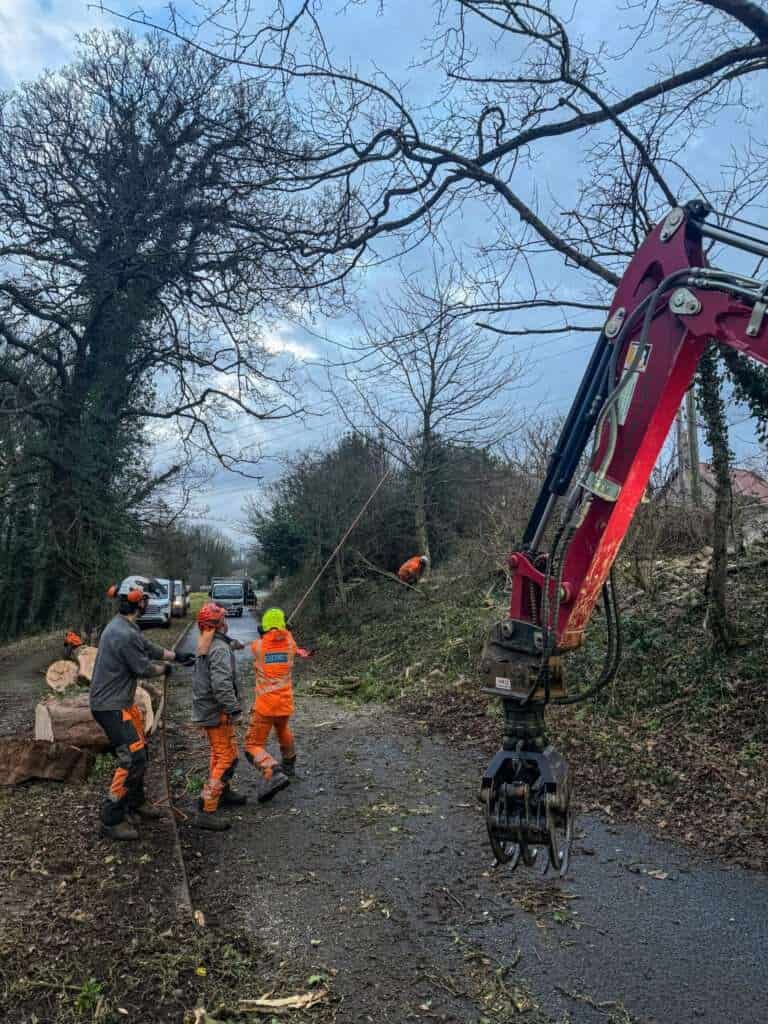
What was once an overgrown patch of forgotten land in Cleator Moor has been transformed into a vibrant outdoor learning environment for the whole community. Where weeds, litter, and abandoned bicycles once dominated the landscape, there is now a thriving Forest School designed to inspire connection, creativity, and wellbeing through the natural world.
The project began as a simple conversation about creating meaningful summer initiatives. That conversation quickly evolved into a collaborative effort involving local organisations, skilled landscapers, and a shared ambition to create something lasting for the community.
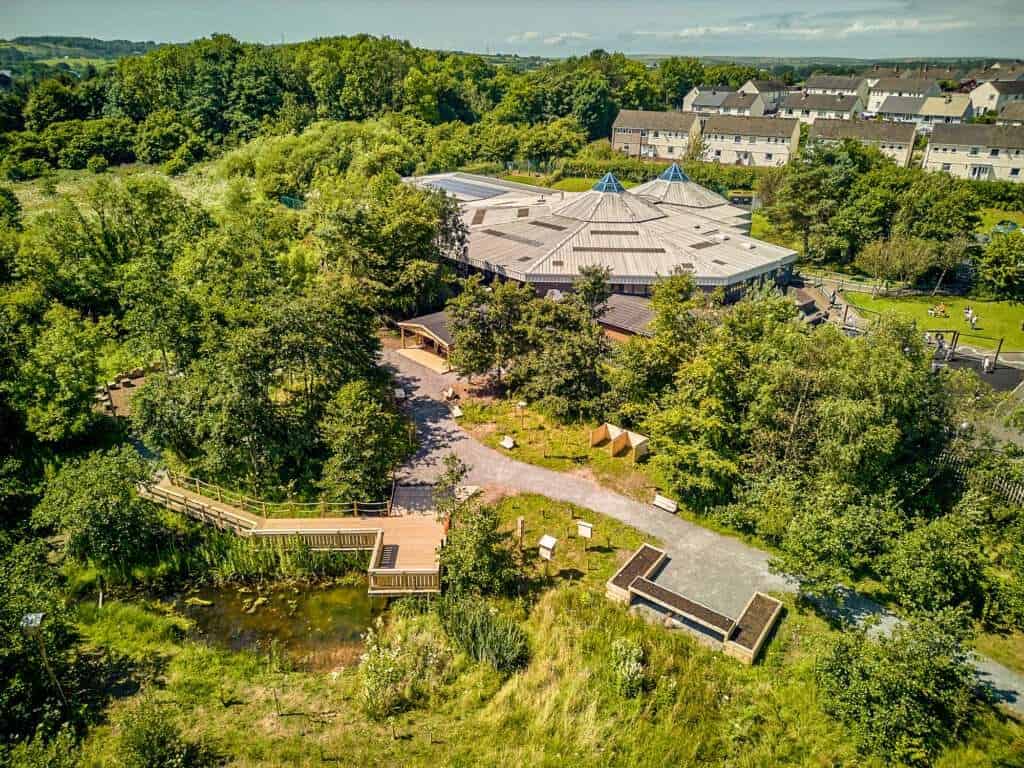
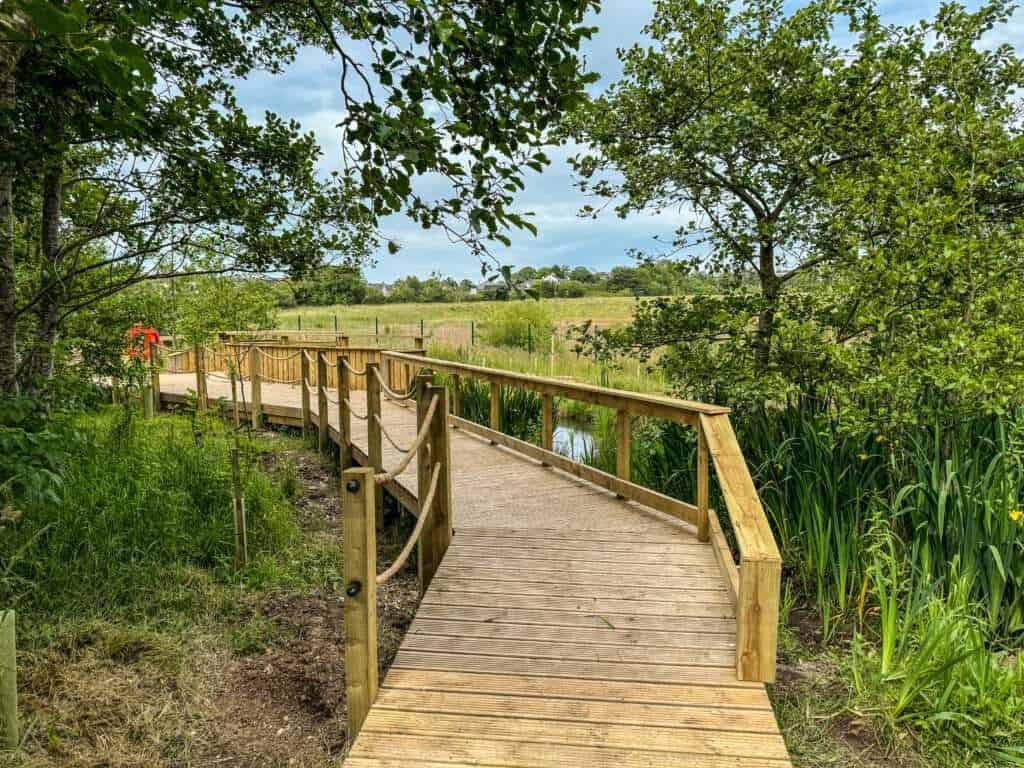
Today, the site is almost unrecognisable. Winding paths and walkways guide users through a carefully designed outdoor space filled with opportunities to learn, explore, and gather. Fruit trees have been planted to encourage seasonal learning and sustainability, while raised beds provide hands-on gardening experiences for visitors of all ages.
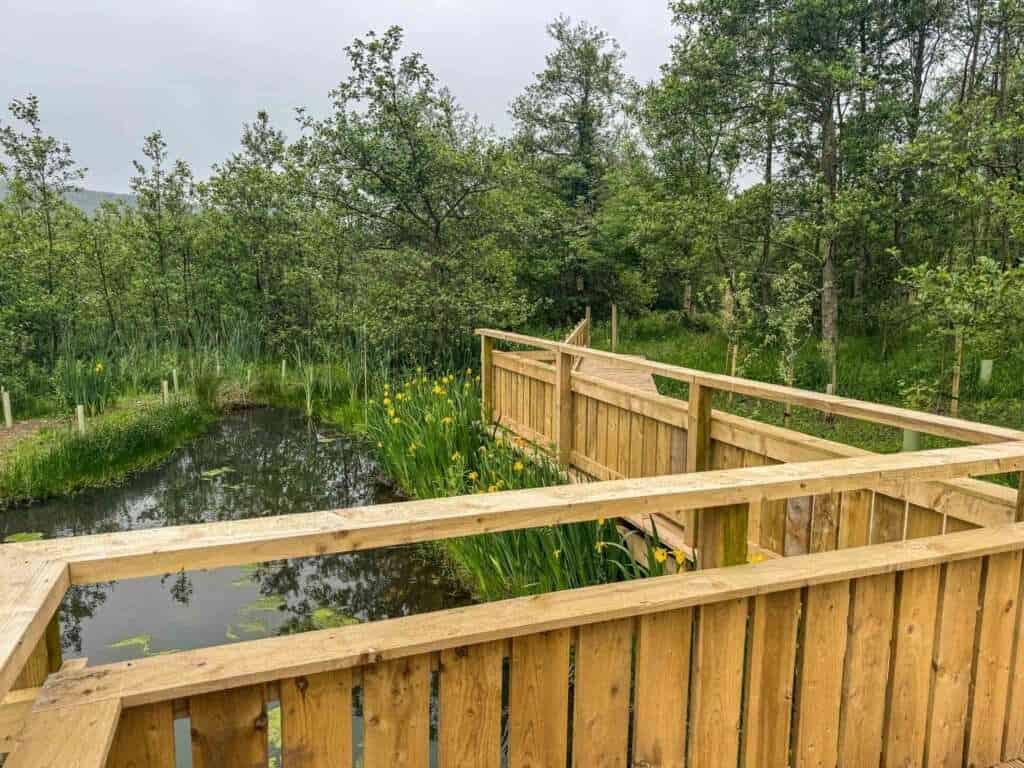
At the centre of the space sits a communal fire pit, creating a natural place for storytelling, group activities, and outdoor learning sessions. Nearby, a wildlife pond supports biodiversity and introduces users to the importance of creating habitats for local species.

Key Features of the Nature School
The transformation included a range of landscaping and environmental works designed to make the area both functional and welcoming.
Works carried out included:
- Construction of paths and walkways
- Landscaping and site preparation
- Specifying and supplying native plants and trees
- Planting and habitat creation
- Construction of a wildlife pond
- Installation of raised planting beds
- Development of communal outdoor learning spaces
Every aspect of the project was carefully considered to ensure the site would thrive long into the future.
Designed for the Whole Community
Nature School was created to be inclusive and accessible for everyone, regardless of age or ability. Rather than serving a single purpose, the space has been designed as a flexible community resource that can be used throughout the year.
Groups already benefiting from the site include:
- Local nurseries and school children
- Community and wellbeing groups
- Engineering apprentices
- Knit-and-natter sessions
- Outdoor education programmes
- Environmental and wildlife activities
This variety reflects the project’s wider vision: creating a shared environment where people can connect not only with nature, but also with each other.
A Collaborative Community Effort
The initiative is run by and located at St Patrick’s Primary School and supported by the Sellafield Ltd Engineering Centre of Excellence. The project was made possible thanks to collaboration between several organisations, each bringing expertise, resources, and enthusiasm to the development.
Project partners included:
- Arborscape Environmental Services
- Nexus
- The Decommissioning Alliance (TDA)
- ADAPT
- Integrated Decommissioning Solutions (IDS)
Arborscape Environmental Services played a central role in the transformation, using horticultural and landscaping expertise to shape the site and ensure it complemented the local environment.
Native plants and trees were specially selected to suit the area and encourage wildlife habitats, helping the space become not only a learning environment but also a flourishing ecosystem.
Claire O’Connor, socio-economic lead at the Sellafield Engineering Centre of Excellence, described the project as something everyone involved is incredibly proud of. She highlighted the importance of collaboration and community spirit throughout the process, as well as the passion shown by all partners involved.
She also praised Arborscape extensive knowledge of the natural world, which helped bring the vision for the Nature School to life.
Growing Something Lasting
The Forest School is more than a landscaping project. It is an example of how neglected spaces can be reimagined into places that support learning, wellbeing, biodiversity, and community connection.
What was once an overlooked wasteland is now a living, growing environment filled with opportunity. As the trees mature, wildlife settles into new habitats, and community groups continue to gather, the project will keep evolving for years to come.
In Cleator Moor, a forgotten piece of land has become something extraordinary: a place where nature, education, and community grow side by side.