
Tree Felling in Cumbria
Safe, Controlled Tree Felling
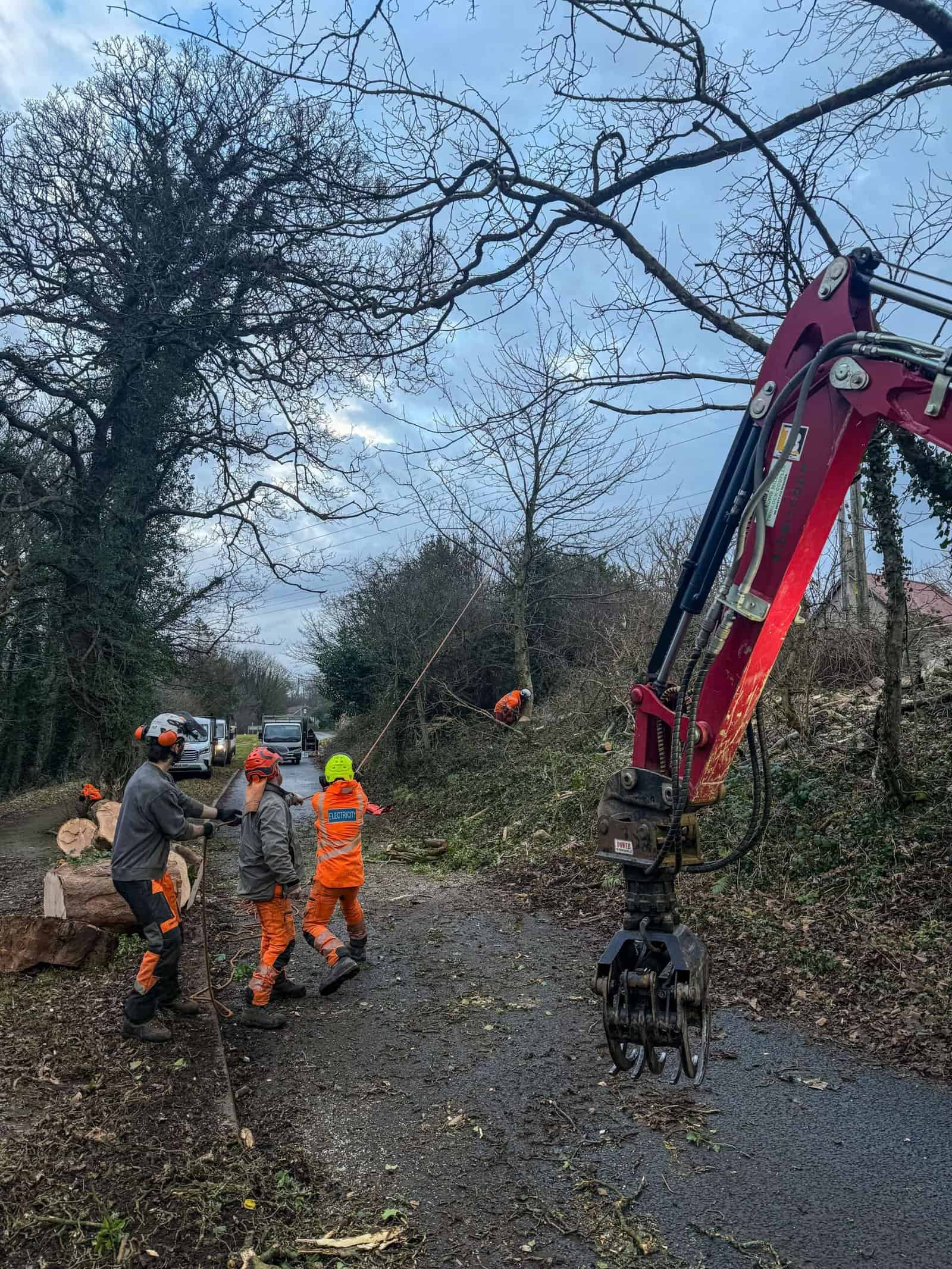
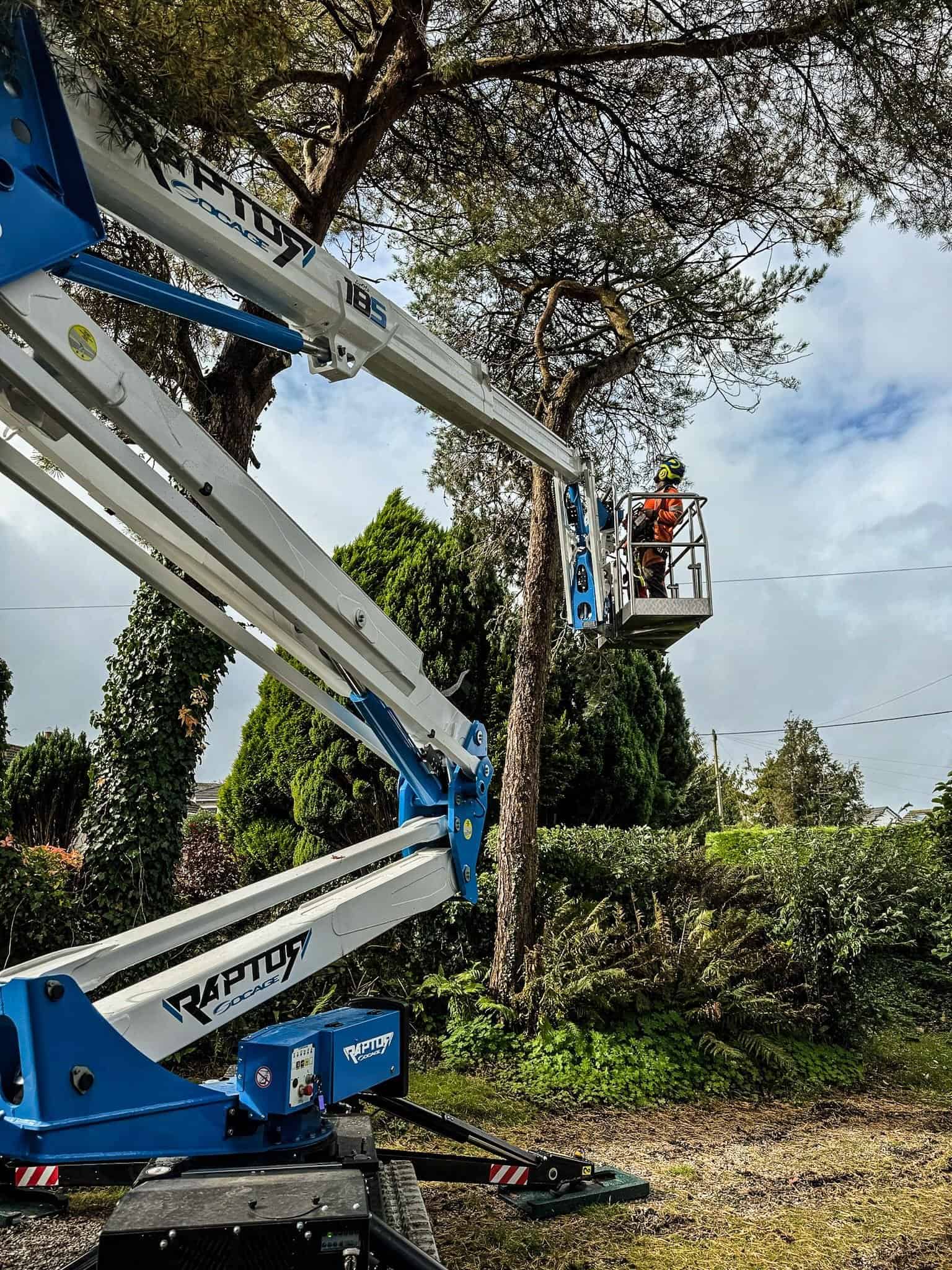
Tree felling is the right choice when a tree is dead, diseased, dangerous or in the way of building work. Where there is space we can fell in one piece. Where there is not, we dismantle the tree in sections using climbing, rigging or an access platform. Call 01946 444224 for a free quote.
See our wider tree removal service for more detail.
What Our Felling Service Includes
Site assessment
We plan the fall, access and escape routes before cutting.
Directional felling
Trees dropped in a controlled direction where space allows.
Sectional dismantling
Trees taken down in pieces over buildings or roads.
Before a Tree Comes Down
Check whether the tree has a preservation order or is in a conservation area, as you may need permission. Nesting birds and bats are protected, so we check for them first. We can help with this, see our tree inspection guide.
Once the tree is down you can add stump removal, or plan replacements with our tree planting service. Businesses can read about commercial tree surgery and 24/7 emergency tree work. Arborscape covers Workington, Whitehaven, Cockermouth, Carlisle, Penrith, Keswick, Ambleside and the wider Lake District.
When Felling Is the Right Answer
Felling is a last resort, but sometimes it is the only safe or sensible choice. Typical reasons include a dead or dying tree, advanced decay, storm damage, a tree leaning towards a building, roots that are lifting drains or foundations, and trees that stand in the footprint of a planned extension. Our guide to the warning signs that a tree is dangerous will help you decide if yours is at that stage.
If the tree is merely too big, a reduction or pollard may solve the problem instead; compare the options in felling, pollarding and coppicing.
Straight Felling or Sectional Dismantling?
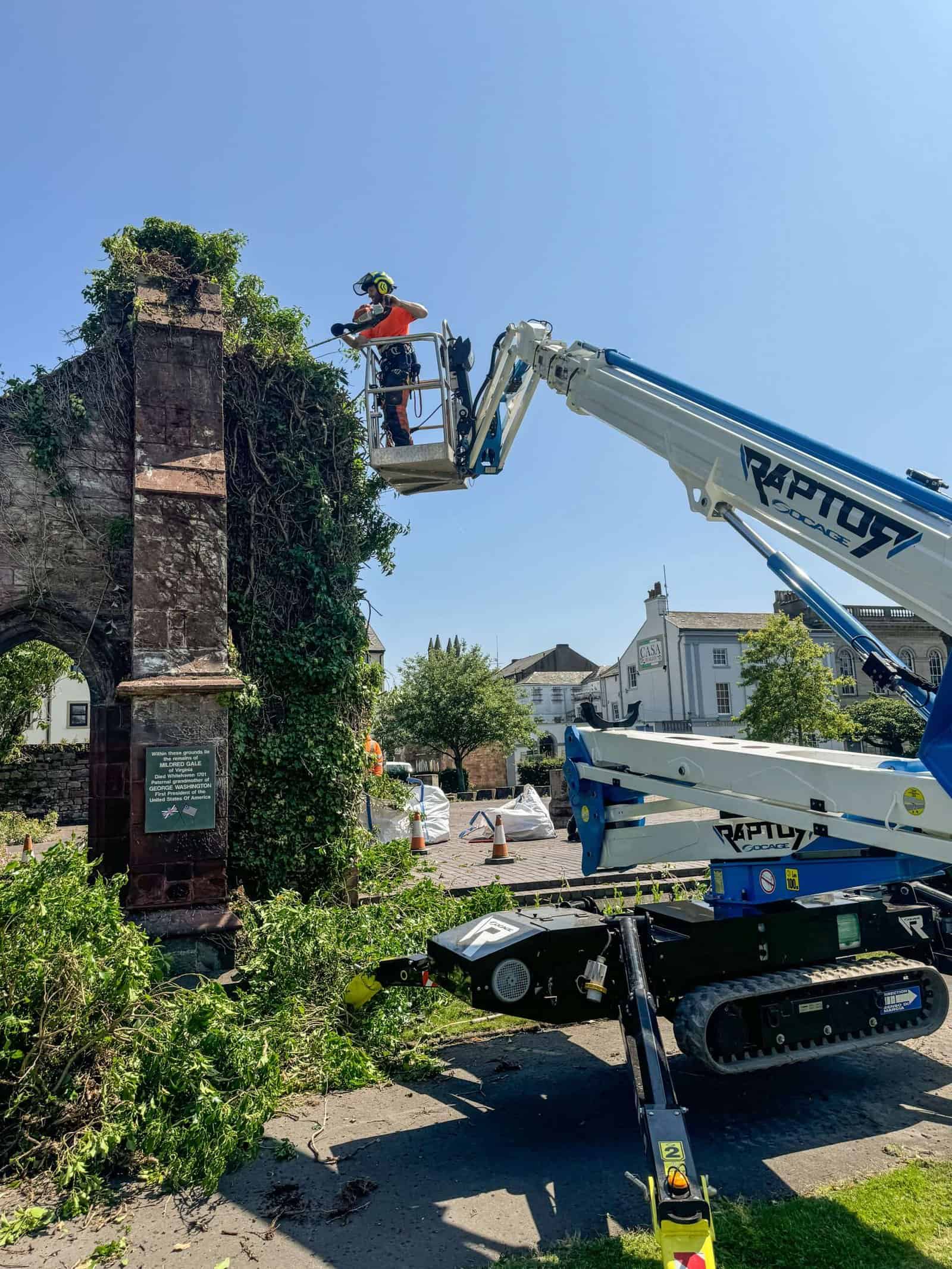
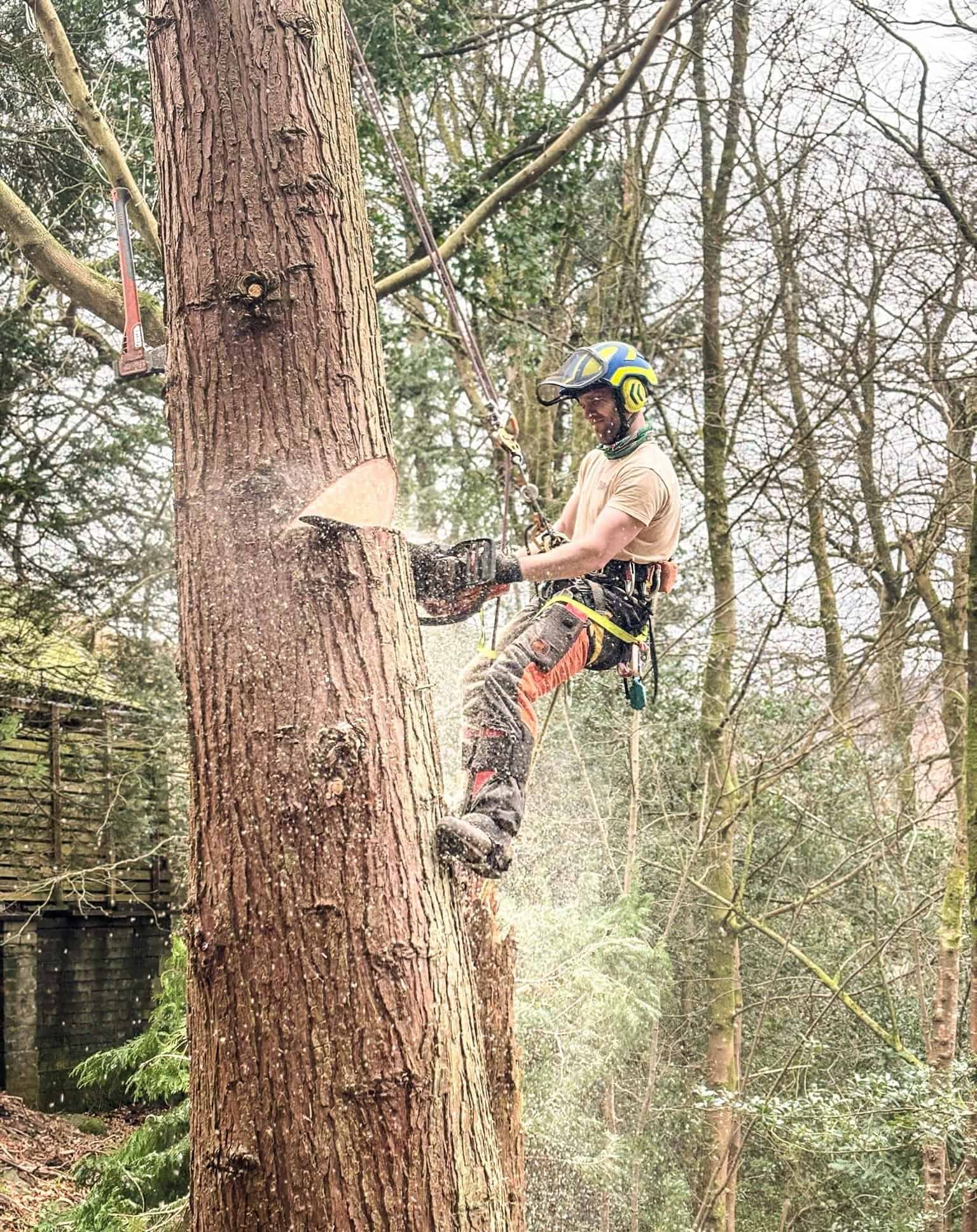
Where there is open ground and a clear fall line, a tree can be felled in one piece with a directional cut and wedges. This is quicker and cheaper. In gardens, beside roads or near buildings, we climb the tree and take it down in sections, lowering each piece on ropes with a rigging system. It takes longer but is the only way to protect what stands beneath. Read sectional dismantling explained for a step-by-step account.
Equipment We Use on Site
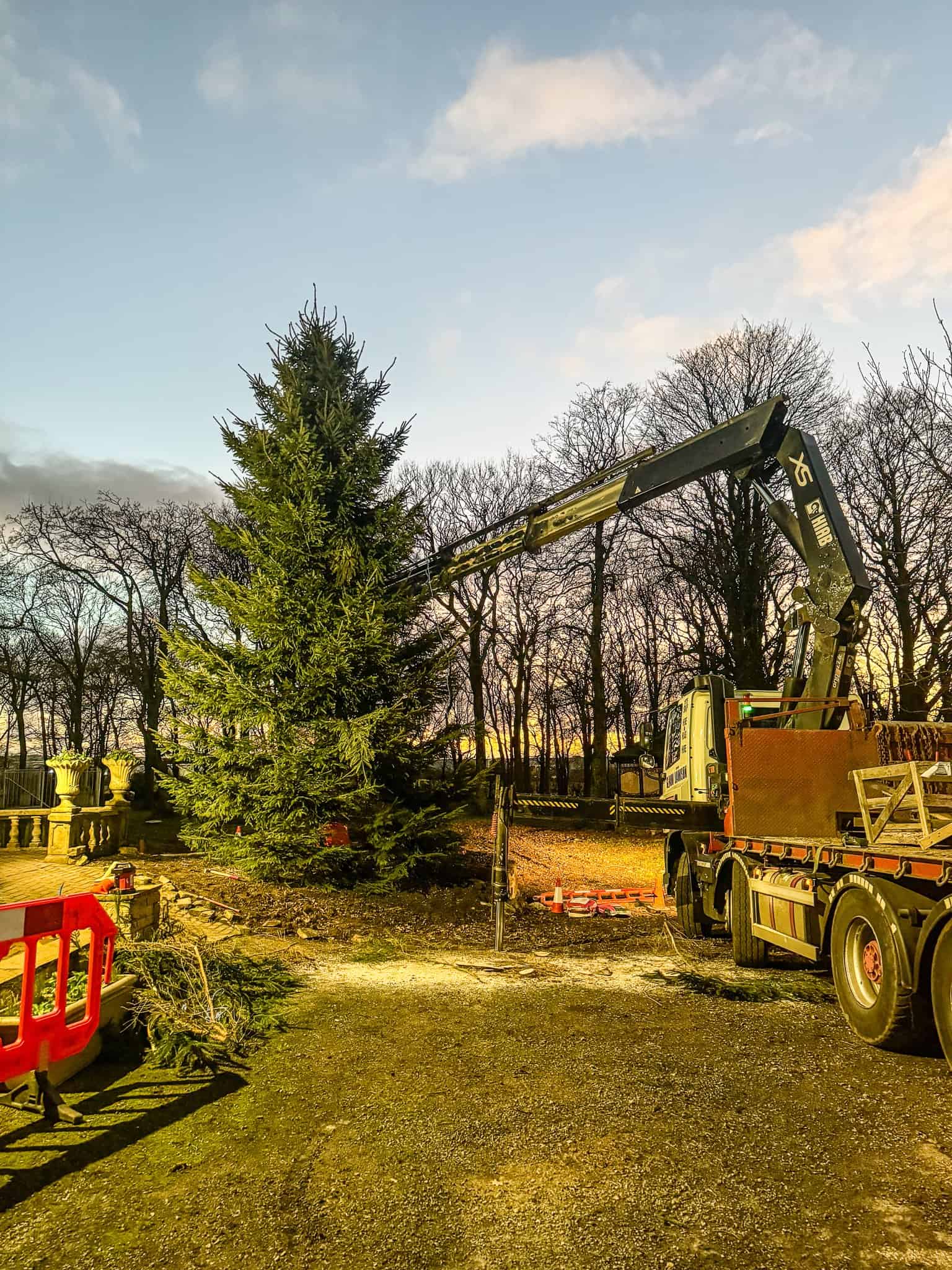
Safe felling depends on the right kit, well maintained and used by trained people. Our crews work with professional chainsaws, climbing and rigging ropes, friction devices, a wood chipper and a grapple saw or mobile platform for awkward trees. Exclusion zones are marked with tape and cones, and passers-by are kept clear. Operators hold the appropriate chainsaw and aerial rescue certificates, so there is always a trained rescuer on site.
Permissions, Wildlife and the Law
Before any felling we check for tree preservation orders and conservation area status. Felling a protected tree without consent can lead to a heavy fine. Larger volumes of timber may also need a felling licence from the Forestry Commission. We also look for nests, bat roosts and other protected wildlife, because the law protects them throughout the year. See our article on wildlife and tree work for what we look for.
Trusted Local Tree Care
£10m insured
Full public liability cover on every job.
NPTC certified
Trained, qualified climbers and ground crew.
24/7 emergency
Storm damage and fallen trees, day or night.
After the Tree Is Down: Stumps, Logs and Replanting
Once the canopy and trunk are cleared, the stump remains. We can grind it out so you can lawn, pave or replant the area; see our stump grinding guide for timings and aftercare. Timber can be cut into logs for burning, or the whole tree can be chipped for mulch.
If you would like to replace what was lost, our tree planting service can recommend suitable native species for your soil and space, and our blog on native trees for Cumbrian gardens gives some ideas.
Emergency Felling and Storm Damage
Gales regularly bring down limbs and whole trees across Cumbria. If a tree has fallen on a building, road or power line, keep well away and call 01946 444224, as our emergency team operates 24 hours a day. Read what to do when a tree falls for the safe steps to take while you wait.
Planning a Felling Job: Access and Timing
Good planning keeps a felling job safe and efficient. We visit first to look at access for vans and chippers, the lean and condition of the tree, nearby buildings, overhead cables and the ground beneath. Narrow lanes, steep slopes and soft ground can all change the method. We agree a date that suits you, and where roads are affected we arrange signage or permits. Wet or very windy weather can cause delays, since safety always comes before schedule.
What to expect on the day
- A short briefing on where the crew will work and which areas stay clear.
- Climbers set ropes, and the ground team sets up the chipper and exclusion zone.
- The tree is taken down in controlled stages.
- Brash is chipped, logs are stacked or removed and the site is swept.
Choosing Between Felling and Alternatives
Because a tree takes decades to grow, we always discuss alternatives before cutting. A crown reduction may solve a light problem, while bracing or cabling can support a weak union. Our crown reduction page covers the first option. If the tree is part of a boundary or woodland edge, coppicing can renew it without losing it altogether. We will give an honest opinion and put the choice in your hands.
Frequently Asked Questions
Do I need permission to fell a tree?
Only if it has a tree preservation order or is in a conservation area. We can check for you.
How long does felling take?
Many jobs take a few hours to a day. Large or awkward trees take longer.
Can you fell trees close to buildings?
Yes. We dismantle them in sections so nothing falls where it should not.