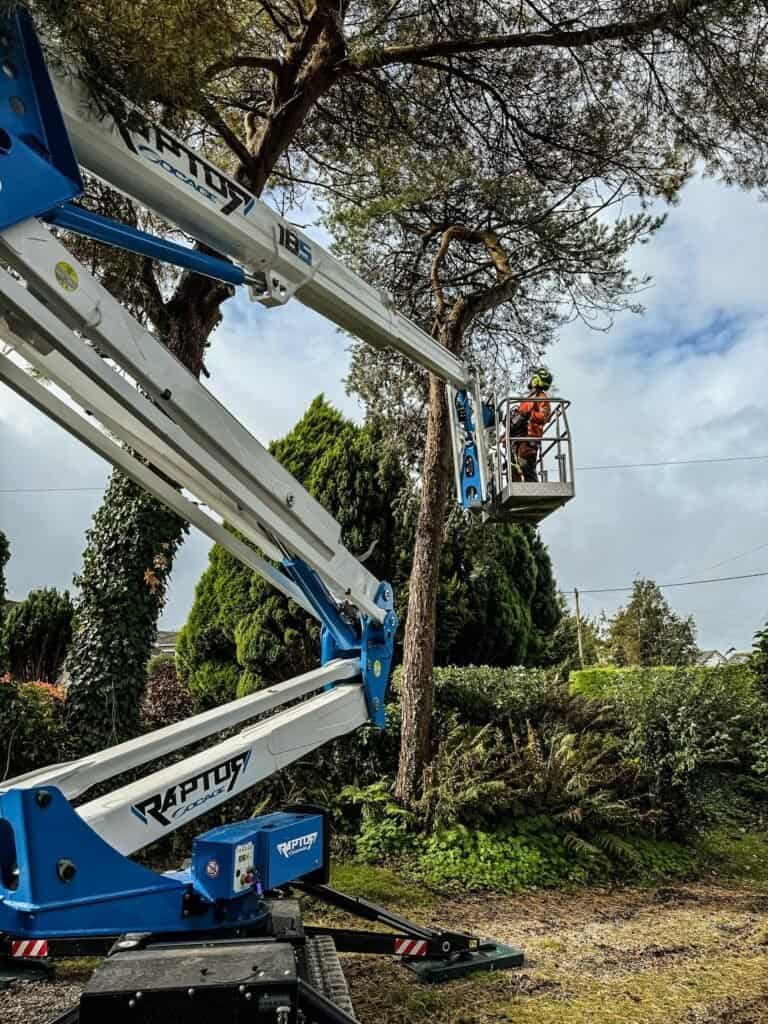
Ash dieback is a serious fungal disease that is killing ash trees across the UK, including in Cumbria and the Lake District. Spotting it early matters, because infected trees become brittle and can drop branches or fall without warning, especially beside roads, paths, gardens and buildings. This guide explains the main ash dieback symptoms and what to do if you think a tree is affected.
What Is Ash Dieback?
Ash dieback is caused by a fungus, Hymenoscyphus fraxineus. The fungus spreads on the wind, infects the leaves and then grows into the branches and trunk, blocking the tree’s water supply. Over time the tree weakens and dies. There is currently no cure, so the focus is on identifying affected trees and managing the risk they pose.
Ash Dieback Symptoms to Look For
On the leaves
- Black or dark brown patches on leaves, often appearing in summer
- Leaves wilting, shrivelling and turning brown or black while still on the tree
- Leaves falling early, sometimes in mid-summer
On the shoots and branches
- Dead shoots and branch tips, creating a bare, “dieback” look at the top of the crown
- Dark, sunken lesions on the bark where branches meet the trunk, often diamond-shaped
- Orange-brown or olive staining when the bark is peeled back
On the whole tree
- A thinning crown with sparse leaf cover
- New, bushy shoots growing from the trunk or main branches as the tree tries to recover (epicormic growth)
- Lesions at the base of the trunk, sometimes followed by other fungi such as honey fungus
Is It Definitely Ash Dieback?
Several other problems can look similar, including drought stress, frost damage and other fungal diseases. Because ash dieback symptoms vary through the year, the safest way to confirm is a professional assessment by a qualified arborist.
What to Do If You Think a Tree Has Ash Dieback
- Keep people away from the tree if it is near a path, drive or building and looks unstable.
- Do not climb or cut the tree yourself. Infected ash can be brittle, and dead wood can fall unexpectedly.
- Arrange a survey. Our ash dieback survey service identifies affected trees and recommends what to do, from monitoring to pruning or removal.
- Check for protections. Some ash trees are covered by a tree preservation order or are in a conservation area, and need consent before work.
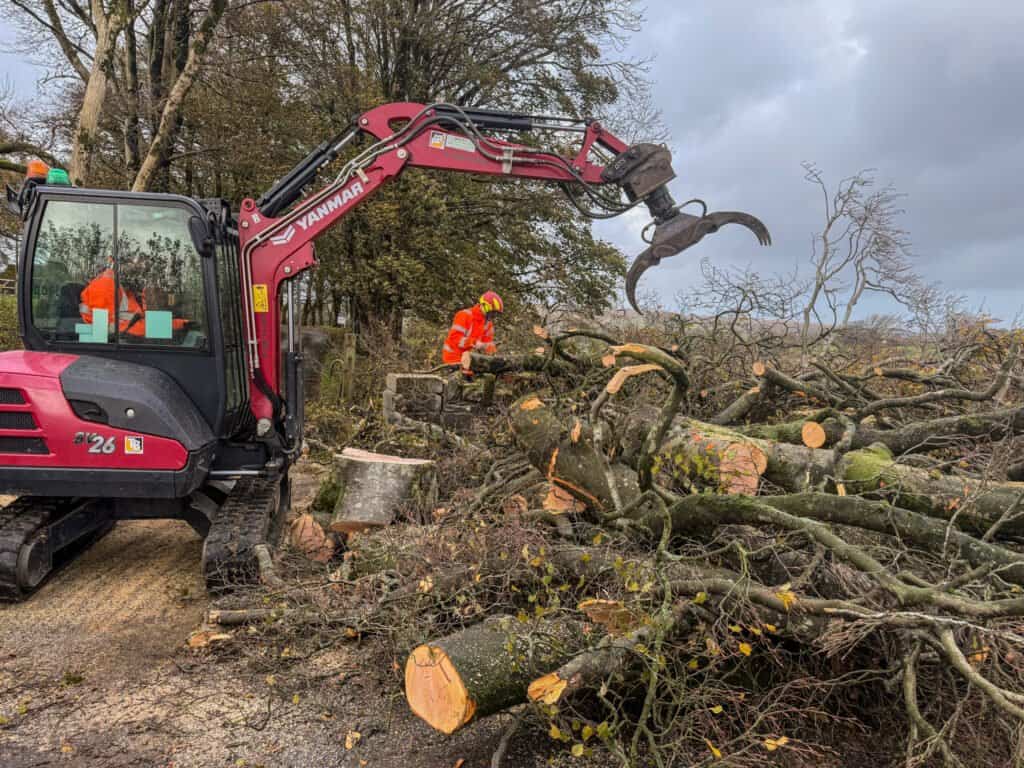
- Plan removal where necessary. Dead or dangerous trees should be taken down safely by professionals. See our tree removal and emergency tree work pages.
Who Is Responsible for an Infected Ash Tree?
In general, the landowner is responsible for the safety of trees on their property, including trees next to roads or neighbouring land. If you manage land, sites or estates, regular tree inspections help you meet your duty of care. We carry out surveys for homeowners, landowners and commercial clients across Cumbria.
Replacing Lost Ash Trees
Once affected trees are removed, replanting with a mix of suitable native species helps restore habitat and screening. See our tree planting service, and our guide to pruning ash trees for healthy trees.
Book an Ash Dieback Survey in Cumbria
Arborscape’s NPTC certified arborists provide ash dieback surveys, safe pruning and removal across Cumbria and the Lake District, fully insured with £10 million liability cover and available 24/7 for emergencies. Contact us or call 01946 444224.