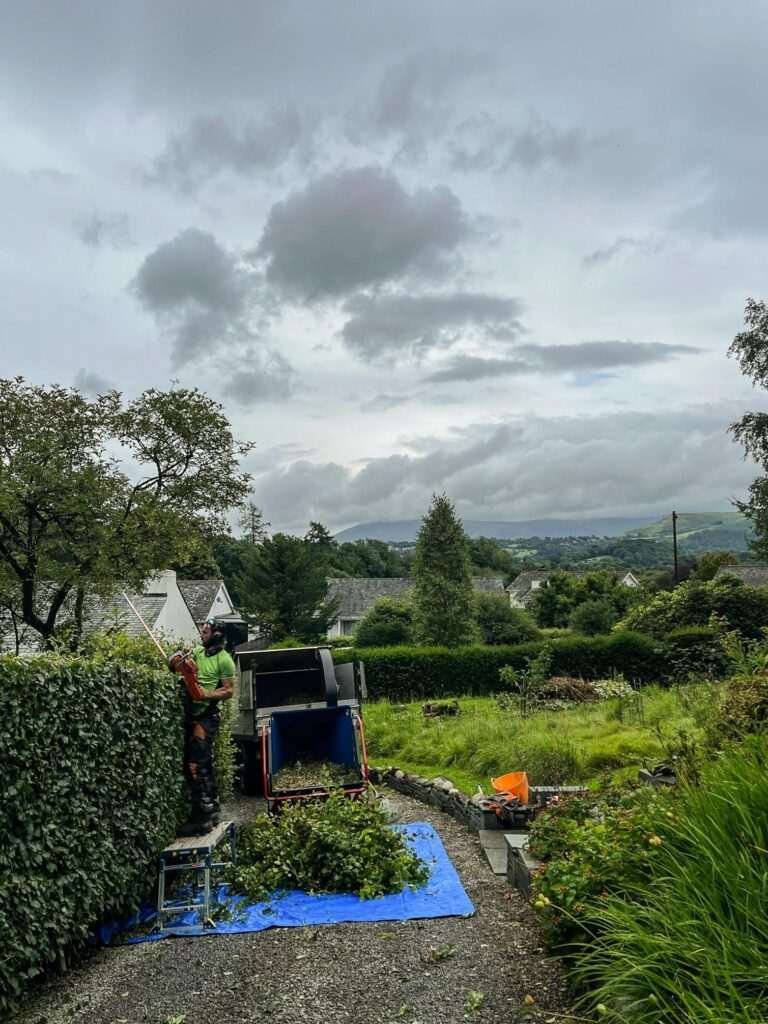
Hedges are an essential feature of the Cumbrian landscape. From formal ornamental hedges surrounding commercial premises and hotels to traditional field boundary hedgerows across farms and estates, regular maintenance is vital to keep them healthy, attractive and functional. Knowing the best times of year to cut hedges can make a significant difference to their appearance, long-term health and the wildlife they support.
If you are planning hedge cutting in Cumbria or the Lake District, timing is everything.
Avoid Hedge Cutting During Bird Nesting Season
Before carrying out any hedge maintenance, it is essential to check thoroughly for nesting birds and other wildlife. Under the Wildlife and Countryside Act 1981, it is illegal to intentionally damage or destroy an active bird’s nest. The main nesting season generally runs from March to August, although some species may nest earlier or later depending on weather conditions and food availability.
Whether you are maintaining a garden hedge in Carlisle, a commercial landscape in Whitehaven, or a rural hedgerow in the Lake District, understanding the best times of year to cut hedges is essential. Always inspect the hedge carefully before work begins. If an active nest is found, work should be postponed until the birds have safely fledged.
Autumn: The Best Times of Year to Cut Hedges
For many hedges in Cumbria, late summer and autumn are the best times for routine maintenance. By September, the main nesting season has usually ended, and growth has begun to slow.
This makes autumn an excellent time to:
- Reduce hedge height and width
- Tidy formal hedges
- Cut back boundary hedges
- Improve visibility along roads and access routes
- Prepare landscapes for winter
The cooler temperatures and reduced growth rate help hedges retain a neat appearance for longer. Autumn cutting is particularly suitable for beech, hornbeam, hawthorn and many evergreen species.
Winter Hedge Maintenance
Winter is often the preferred time for larger-scale hedge reductions and countryside hedge management projects. Deciduous hedges are dormant, making their structure easier to assess and reducing stress on the plants.
Traditional field boundary hedges commonly found throughout Cumbria, including hawthorn, blackthorn and mixed native hedgerows, are often managed between November and February. This timing also helps preserve valuable berries and seeds for birds during early winter while allowing maintenance before spring growth begins.
Winter is also an ideal time for hedge laying and rejuvenation work on older rural hedges.
Spring and Summer Hedge Cutting
While major hedge cutting should generally be avoided during nesting season, some light maintenance may occasionally be necessary for safety reasons or to maintain access.
Fast-growing ornamental hedges such as:
- Privet
- Leylandii
- Laurel
- Box
- Lonicera
often require multiple trims throughout the growing season to maintain a formal appearance. However, any work undertaken during spring or summer must be preceded by a thorough wildlife inspection.
For flowering ornamental hedges, timing becomes even more important. Species such as escallonia, berberis and lavender should generally be pruned immediately after flowering to encourage healthy growth and maximise future blooms.
Different Hedges Require Different Approaches
Cumbria’s varied landscapes contain a wide range of hedge types, each with slightly different maintenance requirements.
Formal Ornamental Hedges
Formal hedges found around offices, hotels, schools and commercial developments often require one to three trims each year to maintain crisp lines and a professional appearance. Privet, box and yew are common examples.
Native Field Boundary Hedges
Traditional hedgerows provide vital habitats for birds, insects and mammals. Hawthorn, blackthorn, hazel and holly hedges often benefit from less frequent cutting, allowing flowering and berry production that supports local wildlife. Some berry-bearing hedges are best trimmed on a two-year rotation to maximise fruit production.
Conifer Hedges
Leylandii and other conifers require regular maintenance to prevent them becoming unmanageable. Unlike many broadleaf species, most conifers do not regenerate well from old wood, making routine trimming particularly important.
Professional Hedge Cutting Services in Cumbria
The best times of year to cut hedges in Cumbria and the Lake District will depend on the species, its purpose and the surrounding wildlife. In general, autumn and winter provide the best opportunities for most hedge maintenance work, while spring and summer require additional care to protect nesting birds.
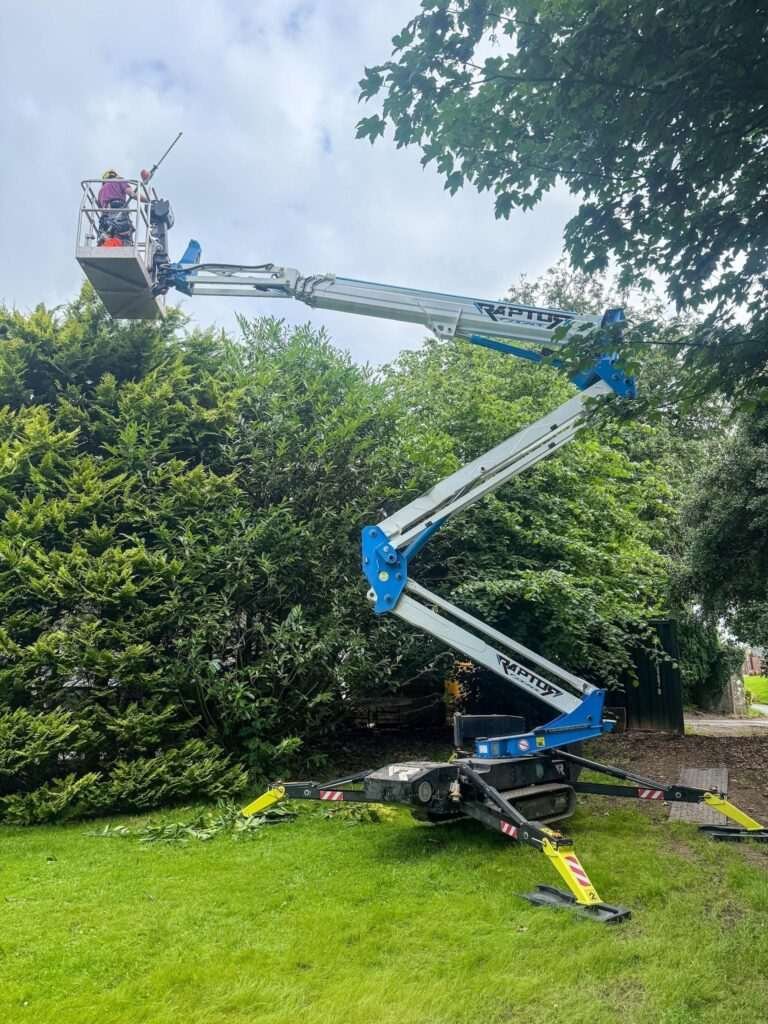
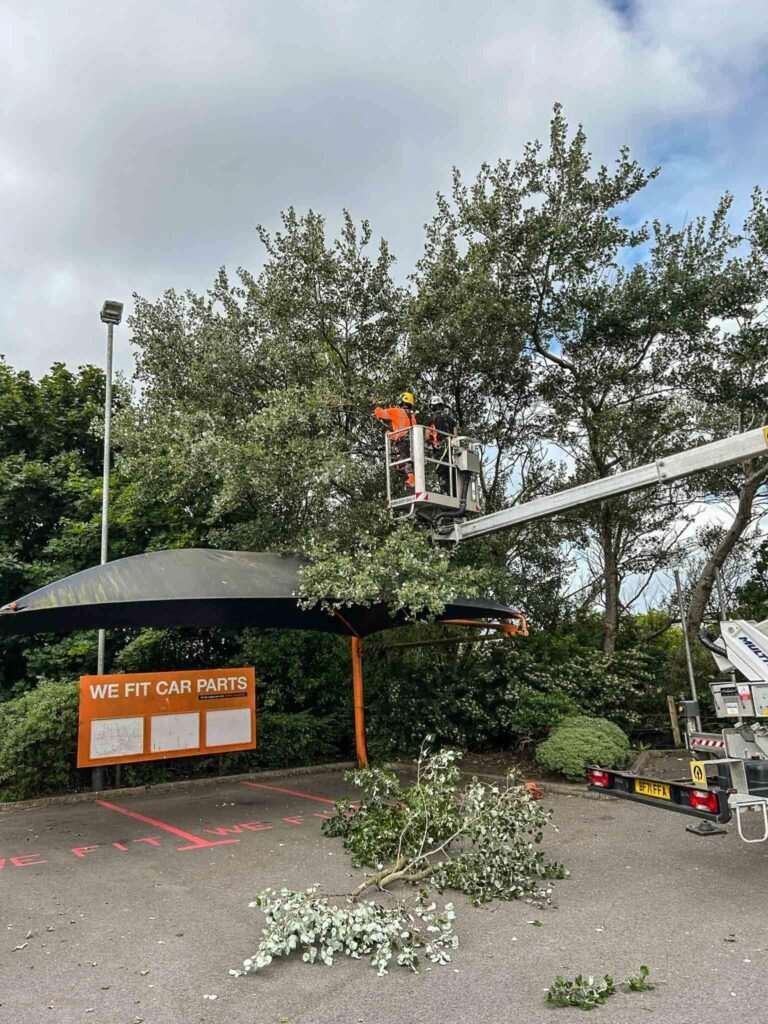
At Arborscape, we carry out professional hedge cutting and hedge maintenance across Cumbria, Carlisle, Workington, Whitehaven, Cockermouth, Keswick and the wider Lake District. Every project begins with careful assessment of wildlife habitats, ensuring hedges remain healthy, attractive and beneficial for biodiversity while meeting the needs of our clients.