Identifying and Controlling Invasive Weeds in Cumbria
The Lake District and Cumbria are home to some of the UK’s most beautiful landscapes, rivers, woodlands and gardens. Unfortunately, these environments also provide ideal conditions for a range of invasive weeds that can spread rapidly, damage ecosystems, impact property and create long-term management challenges.
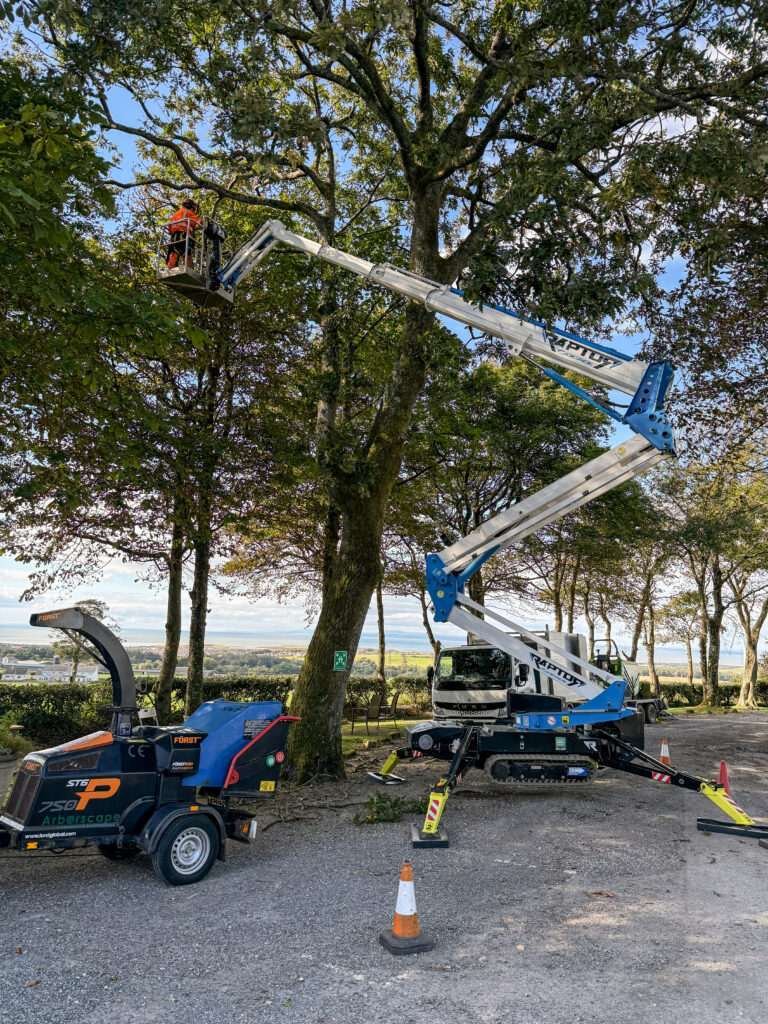
At Arborscape, we provide professional invasive weed control services throughout Cumbria and the Lake District, helping homeowners, landowners, businesses, estates and public organisations identify, manage and remove problematic weed species before they become established.
Early identification is often the key to successful eradication. The sooner an invasive weed is detected, the more cost-effective and straightforward treatment can be.
What Are Invasive Weeds?
Invasive weeds are non-native or aggressively spreading plants that establish quickly and outcompete native vegetation. Many species have no natural controls in the UK, allowing them to spread rapidly across gardens, farmland, development sites, riverbanks and woodland areas.
These plants can:
- Reduce biodiversity
- Damage habitats
- Increase riverbank erosion
- Affect agriculture and forestry
- Damage hard surfaces and structures
- Increase property management costs
- Spread into neighbouring land and watercourses
Common Invasive Weeds Found in Cumbria and the Lake District
Japanese Knotweed
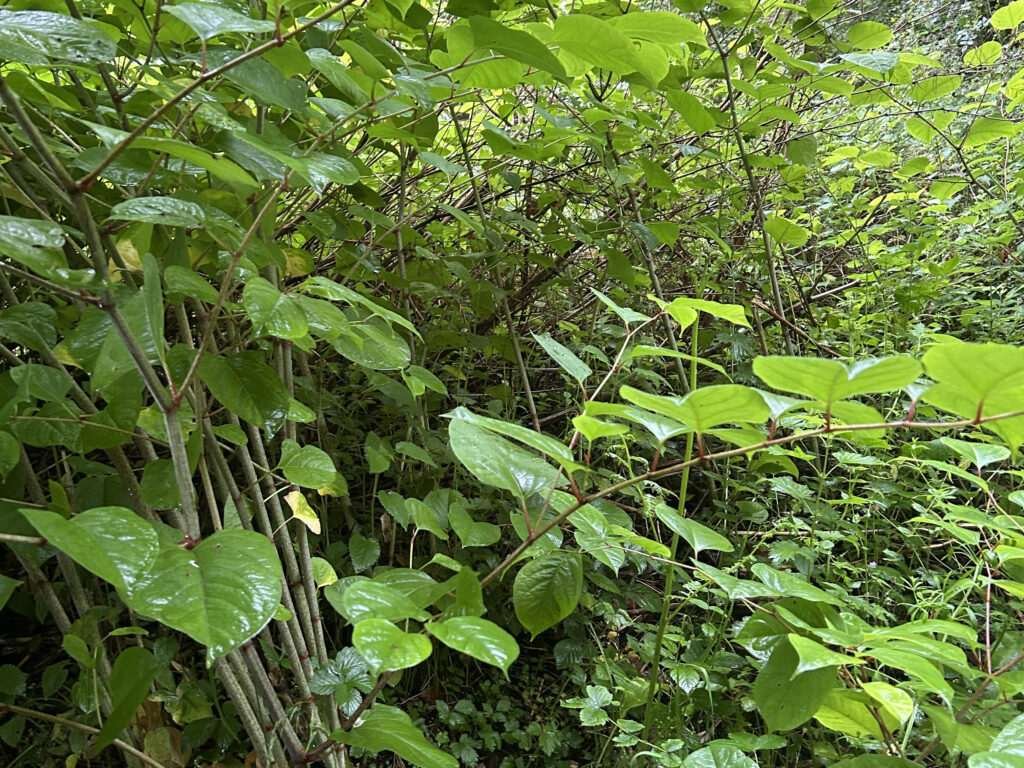
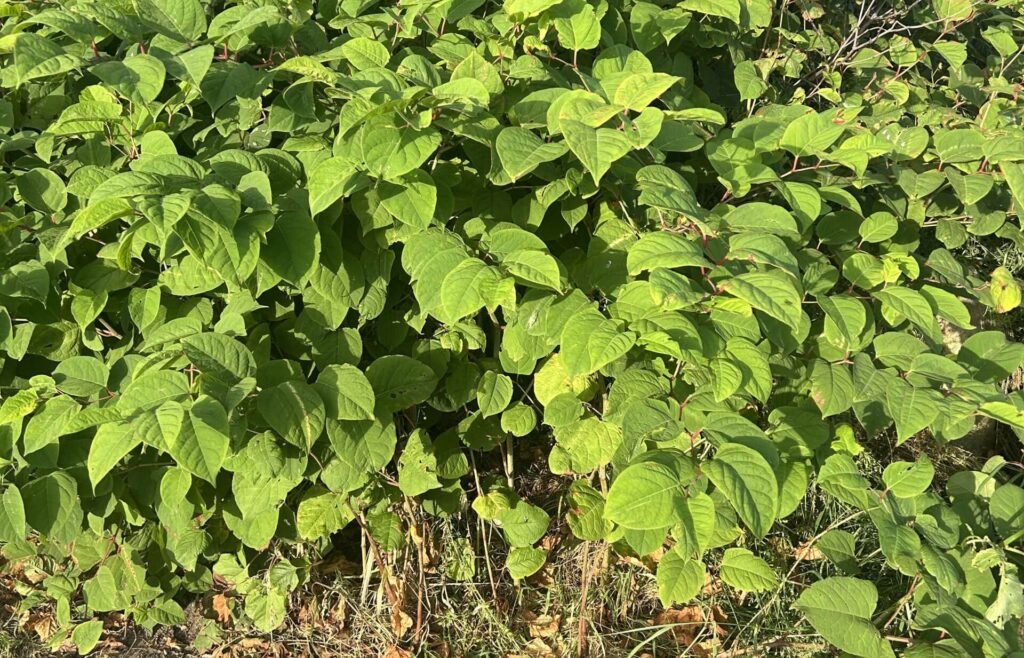
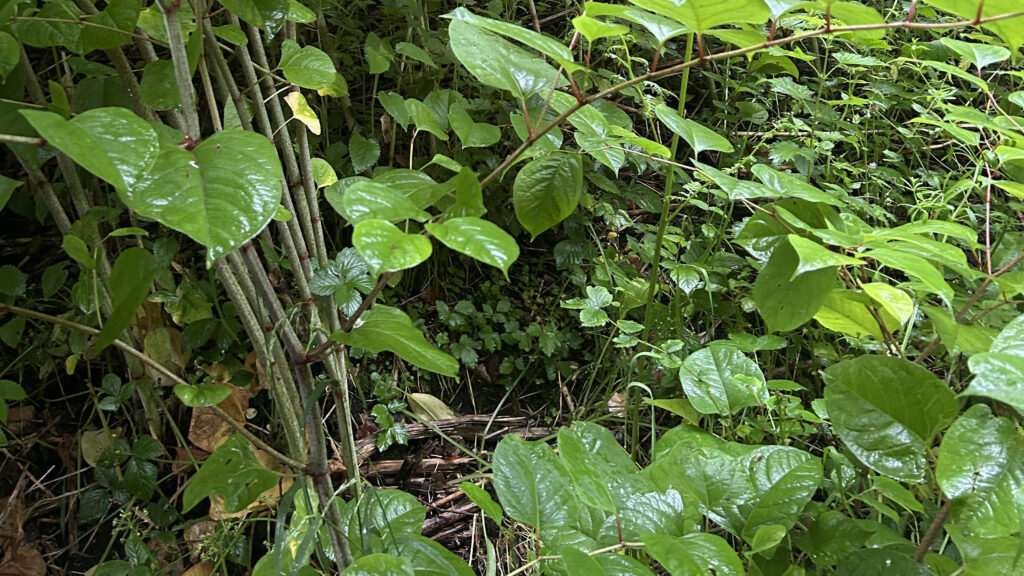
Japanese Knotweed (Reynoutria japonica) is perhaps the most well-known invasive weed in the UK.
How to Identify Japanese Knotweed
Look for:
- Hollow bamboo-like stems
- Purple speckled canes
- Bright green heart-shaped leaves
- Zig-zag stem growth
- Cream-white flowers in late summer
- Dense thickets reaching over 3 metres tall
How It Spreads
Japanese knotweed spreads primarily through underground rhizomes and fragmented plant material. Even small pieces of root can establish new infestations if disturbed and moved during landscaping or construction work.
Control and Removal
- Specialist herbicide treatment programmes
- Excavation and removal
- Long-term monitoring
- Site-specific management plans
Professional treatment is strongly recommended due to the plant’s extensive underground growth and potential impact on property.
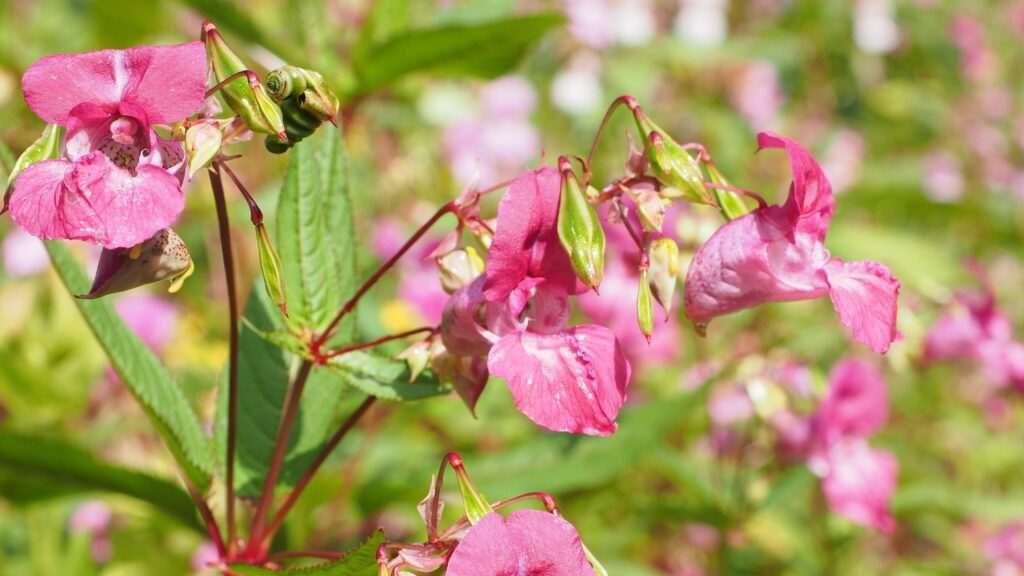
Himalayan Balsam
Originally introduced as an ornamental plant, Himalayan balsam has become widespread throughout river corridors and wet habitats across Cumbria.
How to Identify Himalayan Balsam
Look for:
- Pink-purple helmet-shaped flowers
- Hollow fleshy stems
- Serrated lance-shaped leaves
- Height up to 2 metres
- Explosive seed pods
How It Spreads
A single plant can produce hundreds or even thousands of seeds. Seed pods burst when disturbed, scattering seeds over a wide area, while rivers and streams carry seeds further downstream.
Control and Removal
- Hand pulling
- Strimming and cutting
- Targeted herbicide application
- Annual monitoring before seed production
Giant Hogweed
Giant Hogweed is one of the most hazardous invasive plants found in the UK.
How to Identify Giant Hogweed
Look for:
- Huge white umbrella-shaped flower heads
- Thick hollow stems with purple blotches
- Coarse white hairs on stems
- Large deeply divided leaves
- Plants reaching 5 metres in height
Why It Is Dangerous
The sap contains toxic compounds that can cause severe skin burns and blistering when exposed to sunlight. Direct contact should always be avoided.
Control and Removal
- Professional herbicide treatment
- Careful removal using appropriate PPE
- Ongoing monitoring to prevent regrowth
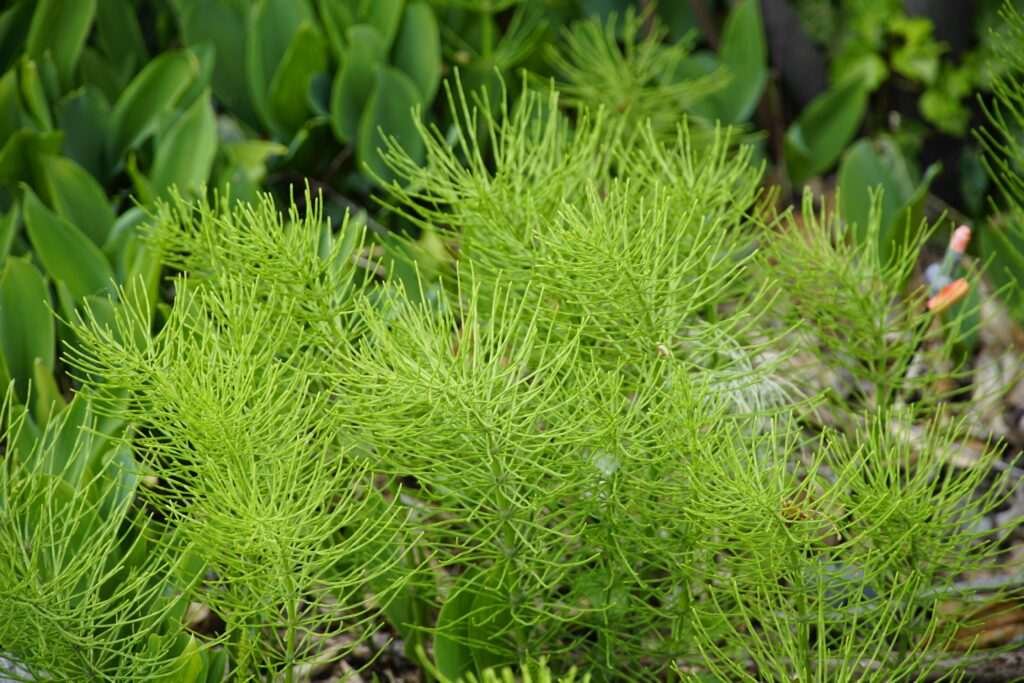
Mare’s Tail (Horsetail)
Although native rather than invasive, Mare’s Tail (Equisetum arvense) is one of the most persistent weeds encountered by property owners throughout Cumbria.
How to Identify Mare’s Tail
Look for:
- Bright green bottle-brush appearance
- Whorls of fine branches
- Upright stems resembling miniature fir trees
- Dense colonies emerging from deep underground rhizomes
How It Spreads
Mare’s Tail spreads through an extensive underground rhizome network that can reach several metres below ground level. Small fragments left behind can regenerate into new plants.
Control and Removal
- Repeated herbicide treatment
- Regular cutting and weakening of growth
- Long-term management programmes
- Excavation in specific situations
Rhododendron Ponticum
Commonly found in woodland areas throughout the Lake District, Rhododendron ponticum forms dense thickets that suppress native vegetation and prevent natural regeneration. It is recognised as a significant invasive species in the UK.
Identification
- Evergreen shrub
- Large leathery leaves
- Purple-pink flowers in spring
- Dense woodland infestations
Control Methods
- Mechanical removal
- Stem treatment
- Herbicide application
- Follow-up management
Why Professional Invasive Weed Control Matters
Many invasive weeds require specialist treatment programmes extending over several growing seasons.
DIY control attempts often:
- Spread infestations further
- Fail to remove underground growth
- Increase future treatment costs
- Delay successful eradication
Professional weed management ensures the correct identification, treatment method and monitoring programme are implemented from the outset.
Professional Weed Control Services in Cumbria and the Lake District
Arborscape provides specialist invasive weed control services throughout Cumbria, including:
- Japanese Knotweed removal
- Himalayan Balsam control
- Giant Hogweed management
- Mare’s Tail treatment
- Rhododendron clearance
- Invasive plant surveys
- Commercial weed control
- Estate and land management
- Herbicide treatment programmes
- Ongoing monitoring and maintenance
We work with homeowners, businesses, farms, estates, developers and public sector organisations across the Lake District and surrounding areas.
Need Help Identifying an Invasive Weed?
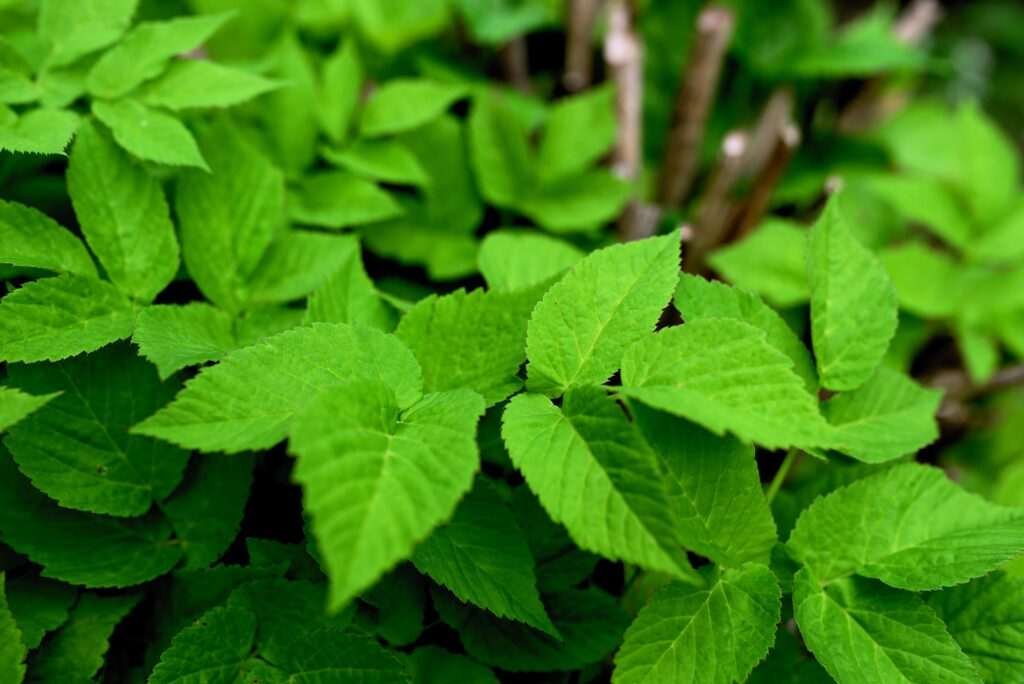
Many invasive weeds look similar during certain stages of growth. Early identification can save significant time and expense.
If you have discovered an unknown weed on your property or require professional invasive weed control in Cumbria or the Lake District, contact Arborscape today. Our experienced team can identify the species, assess the level of infestation and recommend the most effective long-term solution for control or eradication.