Japanese Knotweed: A Serious Invasive Weed Problem Across Cumbria
Japanese knotweed is one of the UK’s most notorious invasive plant species. Known for its rapid growth, extensive underground rhizome system and potential to damage structures and hard surfaces, it can create significant issues for homeowners, developers, businesses and landowners throughout Cumbria and the Lake District.
At Arborscape, we provide professional Japanese knotweed identification, Vegetation management and removal services across Cumbria, helping clients control infestations and protect their properties from further spread.
While many people refer to all knotweed infestations as “Japanese knotweed”, there are actually three closely related invasive knotweed species commonly found in the UK:
- Japanese Knotweed (Reynoutria japonica)
- Giant Knotweed (Reynoutria sachalinensis)
- Bohemian Knotweed (Reynoutria × bohemica)
Each species can spread aggressively and requires specialist management to achieve long-term control.
Identifying Japanese Knotweed and Related Species
Correct identification is critical before beginning any treatment programme.
Japanese Knotweed
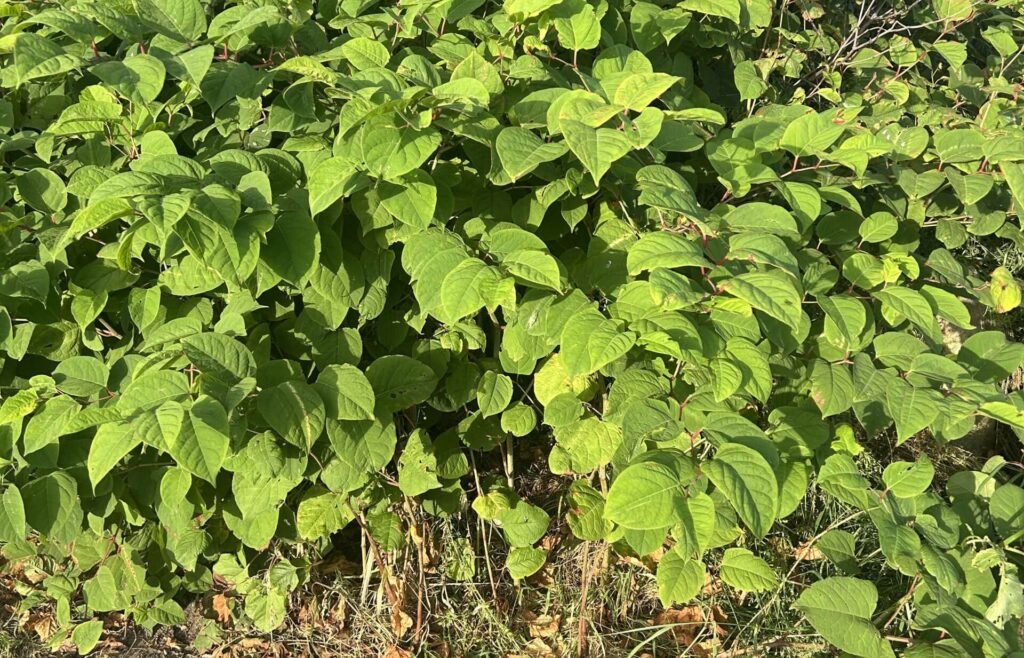
Japanese knotweed typically grows between 2 and 3 metres tall and has:
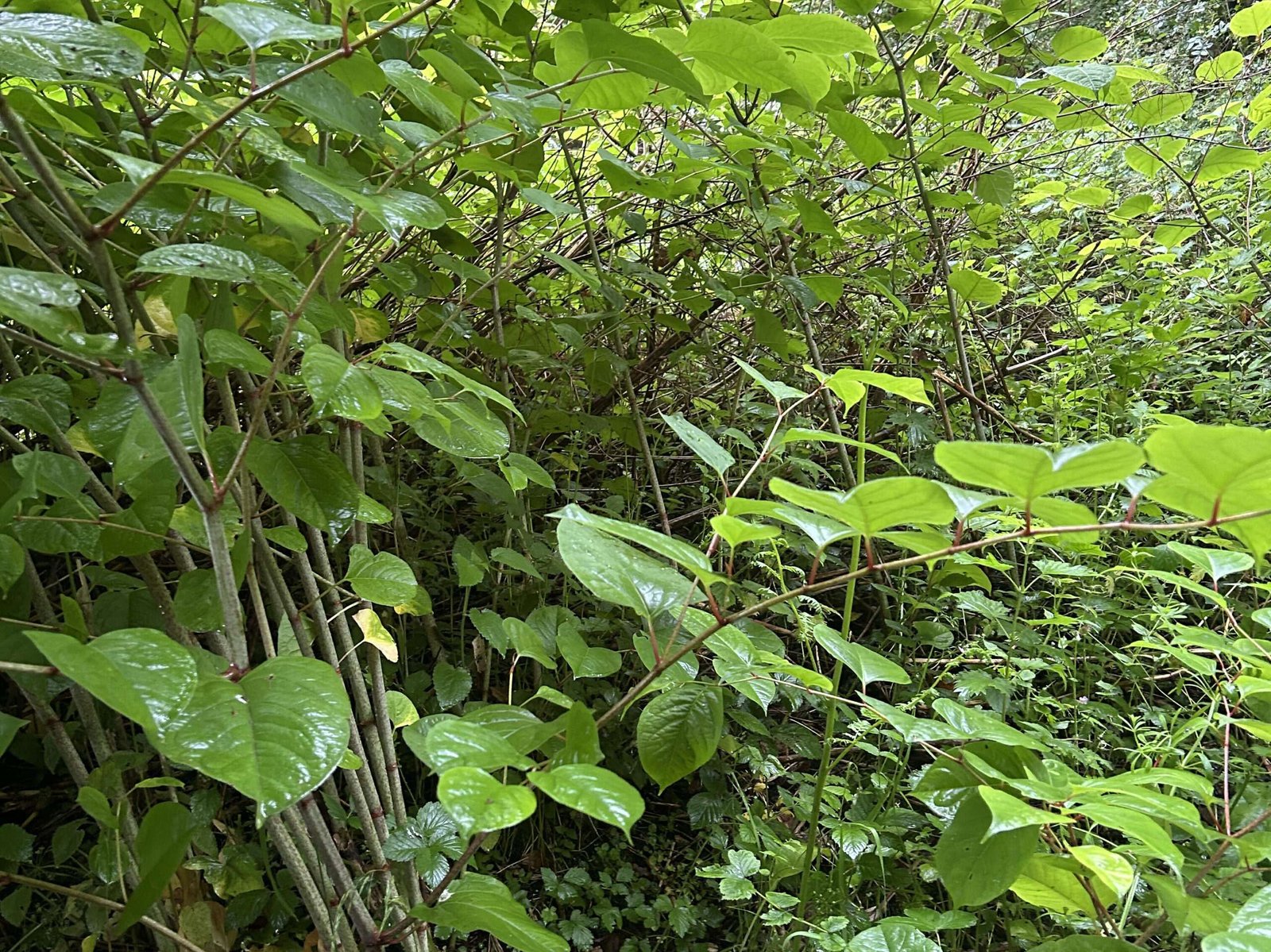
- Hollow bamboo-like stems with purple speckles
- Distinctive zig-zag stem growth
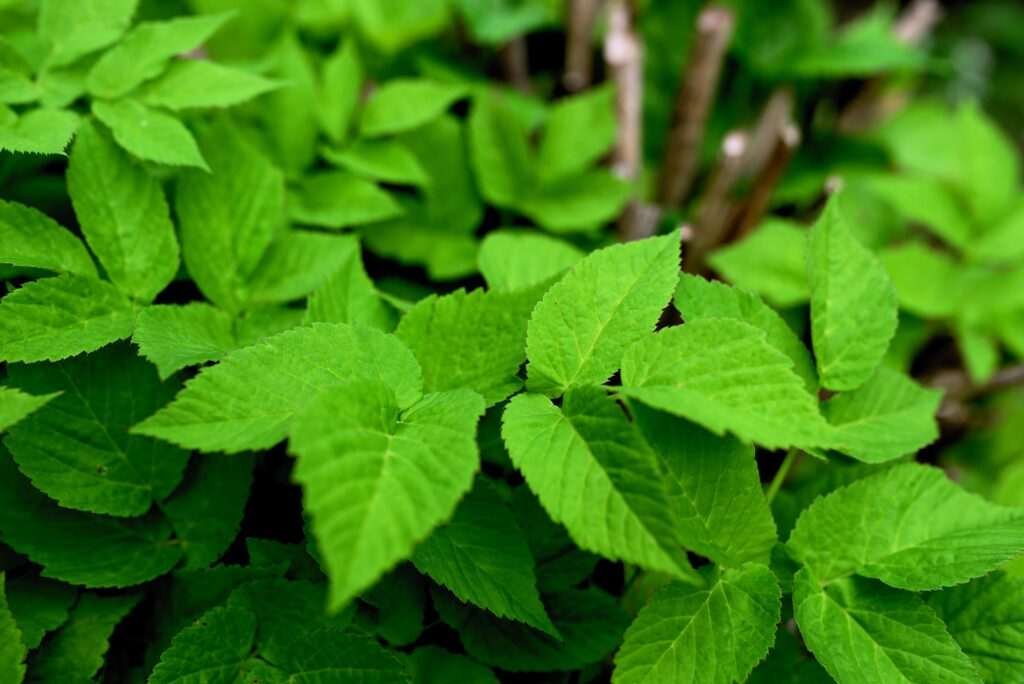
- Bright green shield or heart-shaped leaves
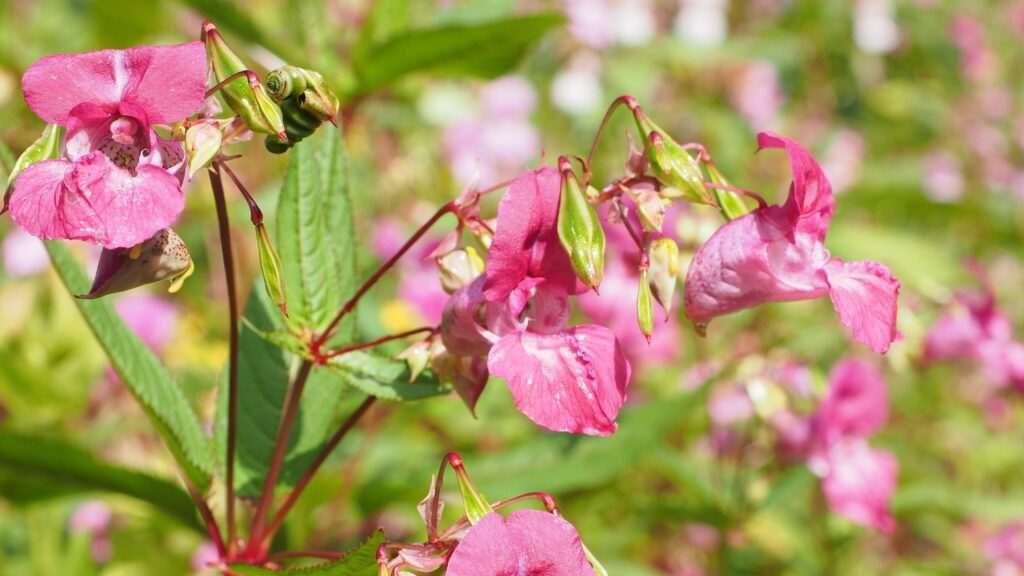
- Creamy white flower clusters appearing in late summer
- Dense stands that rapidly dominate an area
It is the most commonly encountered knotweed species in Cumbria and throughout the UK.
Giant Knotweed
Giant knotweed is less common but can be even larger than Japanese knotweed.
Key characteristics include:
- Growth exceeding 4 metres in height
- Much larger leaves, often up to 40cm long
- Thicker stems
- A more vigorous appearance overall
Bohemian Knotweed
Bohemian knotweed is a hybrid between Japanese and Giant knotweed and combines characteristics of both species.
It often displays:
- Intermediate leaf sizes
- Faster growth rates
- Greater environmental adaptability
- Increased vigour compared with either parent species
Because of its hybrid nature, Bohemian knotweed can be particularly difficult to manage and is increasingly being found across the UK.
How Knotweed Spreads
Unlike many invasive plants, knotweed primarily spreads through its underground rhizome system rather than seeds.
Rhizome Spread
The vast majority of infestations spread when fragments of underground rhizomes are moved during:
- Groundworks
- Landscaping projects
- Excavation works
- Soil movement
- Construction activities
Tiny rhizome fragments can generate entirely new plants, making accidental spread surprisingly easy.
Stem and Root Fragments
Even small pieces of stem or root material can establish new colonies if transported to suitable growing conditions.
Watercourses
Rivers, streams and drainage channels can carry plant fragments downstream, creating new infestations elsewhere in a catchment. This is particularly relevant throughout the Lake District and Cumbria, where numerous watercourses provide ideal pathways for spread.
Why Japanese Knotweed is Such a Problem
Japanese knotweed is far more than a nuisance weed.
Problems associated with knotweed infestations include:
- Damage to hard surfaces, paving and walls
- Encroachment into gardens and landscaped areas
- Difficulty obtaining mortgages on affected properties
- Reduced property values
- Increased development costs
- Legal disputes between neighbouring landowners
- Ongoing management obligations
The extensive underground rhizome network can spread several metres beyond visible growth, meaning infestations are often much larger than they initially appear.
How to Control and Remove Japanese Knotweed
Successful knotweed management requires a planned and professional approach.
Herbicide Treatment Programmes
For many infestations, specialist herbicide treatment remains the most cost-effective control method.
Treatment programmes typically involve:
- Detailed site surveys
- Multiple herbicide applications
- Monitoring over several growing seasons
- Verification of treatment success
This approach gradually weakens the rhizome network and reduces regrowth.
Excavation and Removal
Where immediate removal is required, excavation may be appropriate.
This often involves:
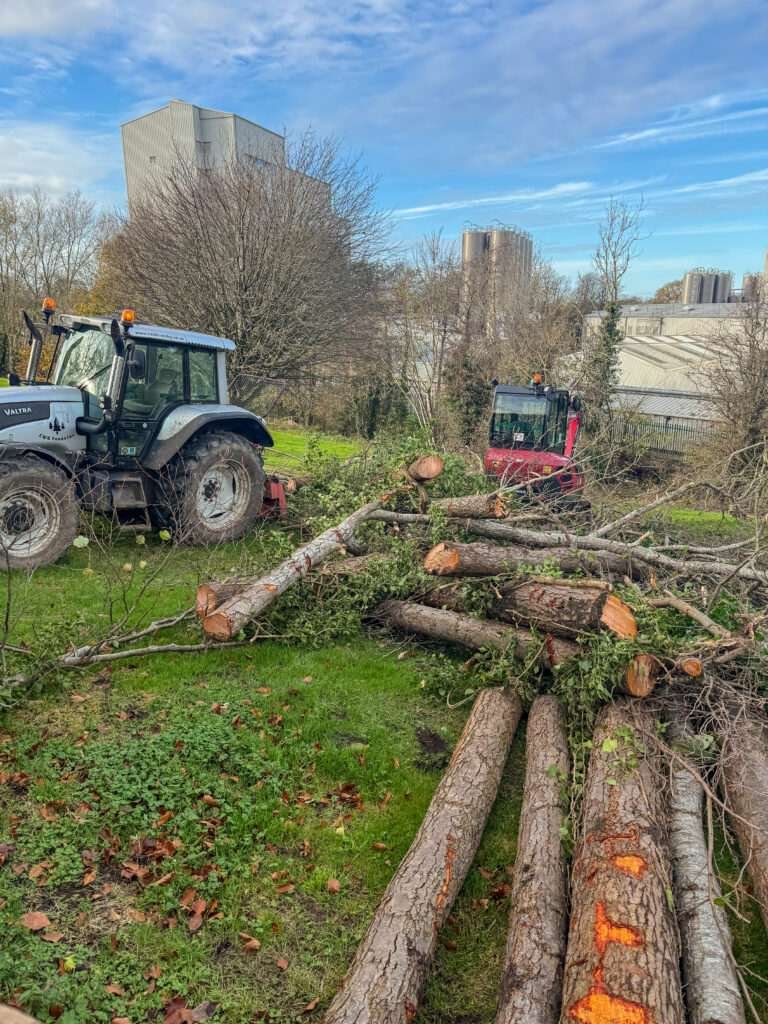
- Excavating contaminated soil
- Removing rhizomes
- Managing controlled waste appropriately
- Reinstating the site following treatment
Excavation can be particularly beneficial for development sites where construction timelines require rapid remediation.
Integrated Management
Many sites benefit from a combination of herbicide treatment and targeted excavation. A tailored management plan can significantly improve long-term results while minimising disruption and cost.
Professional Japanese Knotweed Removal in Cumbria
At Arborscape, we provide specialist invasive weed control services throughout Cumbria and the Lake District.
Our services include:
- Japanese knotweed identification surveys
- Knotweed management plans
- Herbicide treatment programmes
- Excavation and removal solutions
- Development site support
- Commercial and residential weed control
- Ongoing monitoring and reporting
Whether you’re dealing with Japanese knotweed, Giant knotweed or Bohemian knotweed, our experienced team can assess the infestation and recommend the most effective course of action.
Japanese Knotweed Removal in the Lake District and Cumbria
Early intervention is essential. The longer knotweed is left untreated, the more extensive and costly management can become.
If you’ve identified knotweed on your property, or suspect an infestation may be present, Arborscape can provide expert advice and professional weed control services throughout Cumbria, including Kendal, Windermere, Ambleside, Keswick, Penrith, Carlisle, Cockermouth and surrounding areas.
Contact Arborscape for Japanese Knotweed Control
Looking for professional Japanese knotweed removal in Cumbria or the Lake District?
Contact Arborscape today to arrange a site survey and receive expert advice on controlling and eradicating Japanese knotweed and other invasive weeds before they become a larger problem.