
Cherry Trees: Flowering, Bird Cherry, and Wild Cherry
Pruning Cherry trees – These are some of the most beautiful trees in gardens, woodlands, and urban landscapes. Whether it’s the iconic blossom of a flowering cherry, the scented blooms of Prunus padus, or the majestic form of Prunus avium, cherry trees bring seasonal colour, wildlife value, and structure to any space. But like all trees, they benefit from thoughtful, well-timed pruning.
This guide explains how—and when—to prune different species of cherry, while highlighting their ecological importance and the aesthetic rewards of good care.
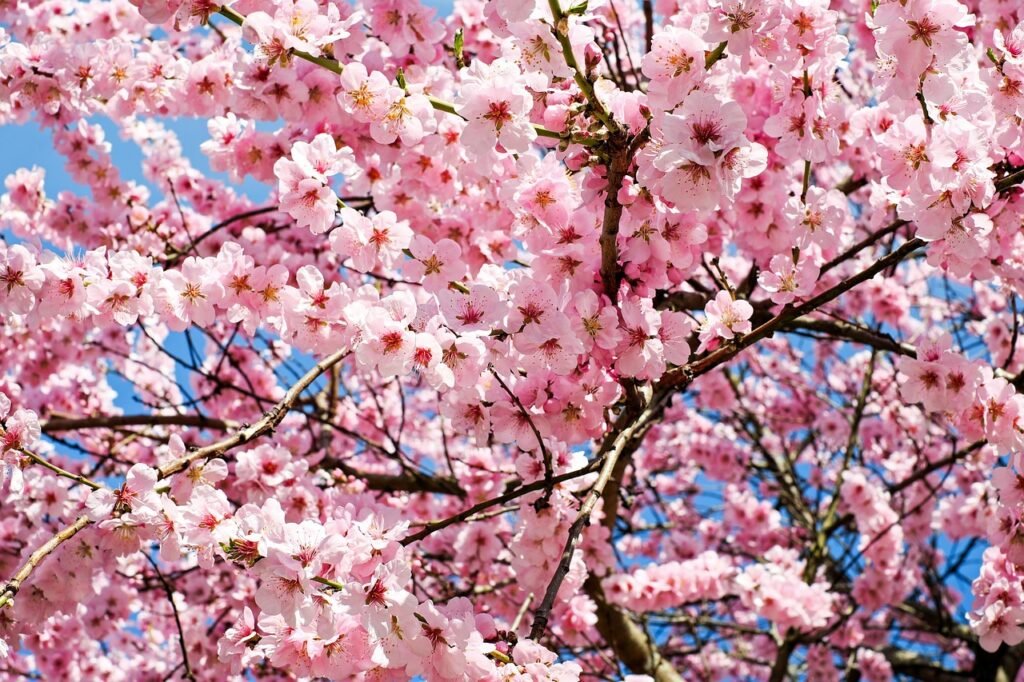
Why Prune Cherry Trees?
1. To Maintain Health and Structure
Pruning removes weak, damaged, or rubbing branches to promote good airflow and reduce disease risk. Cherry trees, being prone to bacterial canker, benefit especially from well-spaced, healthy branching.
2. To Enhance Aesthetic Value
Cherry trees are planted for visual impact. Good pruning preserves:
- Their graceful natural form
- A balanced canopy
- Strong flowering performance in spring
3. To Manage Size
In gardens or tight spaces, pruning helps prevent cherries from outgrowing their area while still retaining their natural beauty.
4. To Support Wildlife
Cherry trees support insects, pollinators, birds, and mammals. Light, correct pruning maintains these habitats without compromising ecological value.
When to Prune Cherry Trees
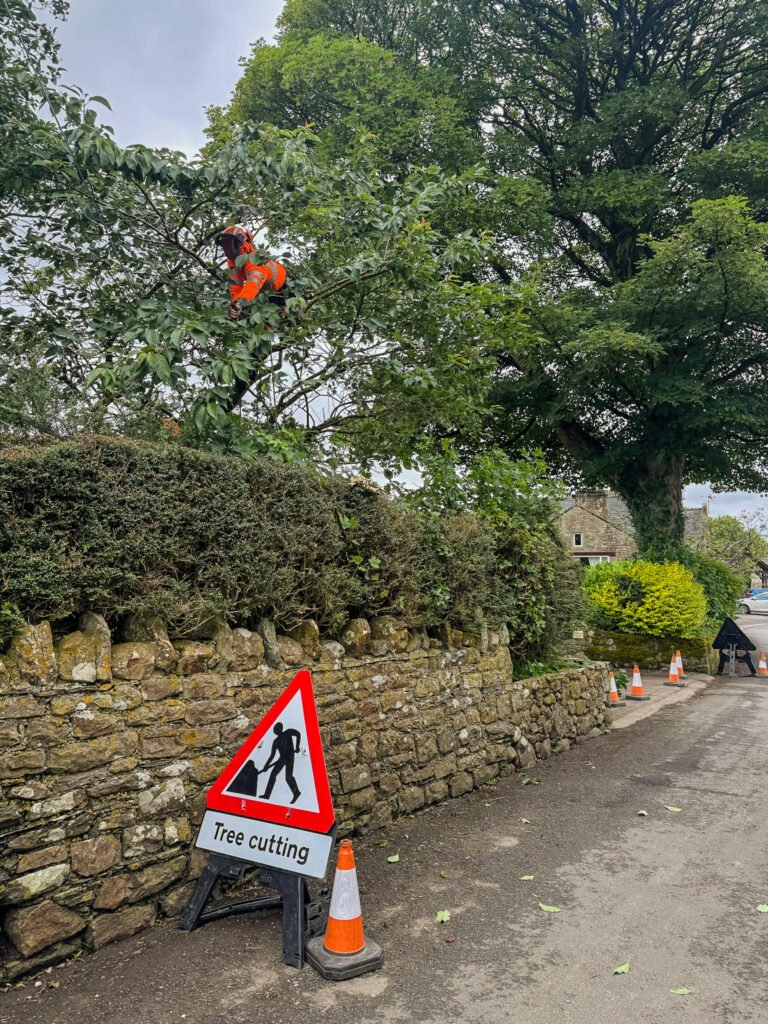
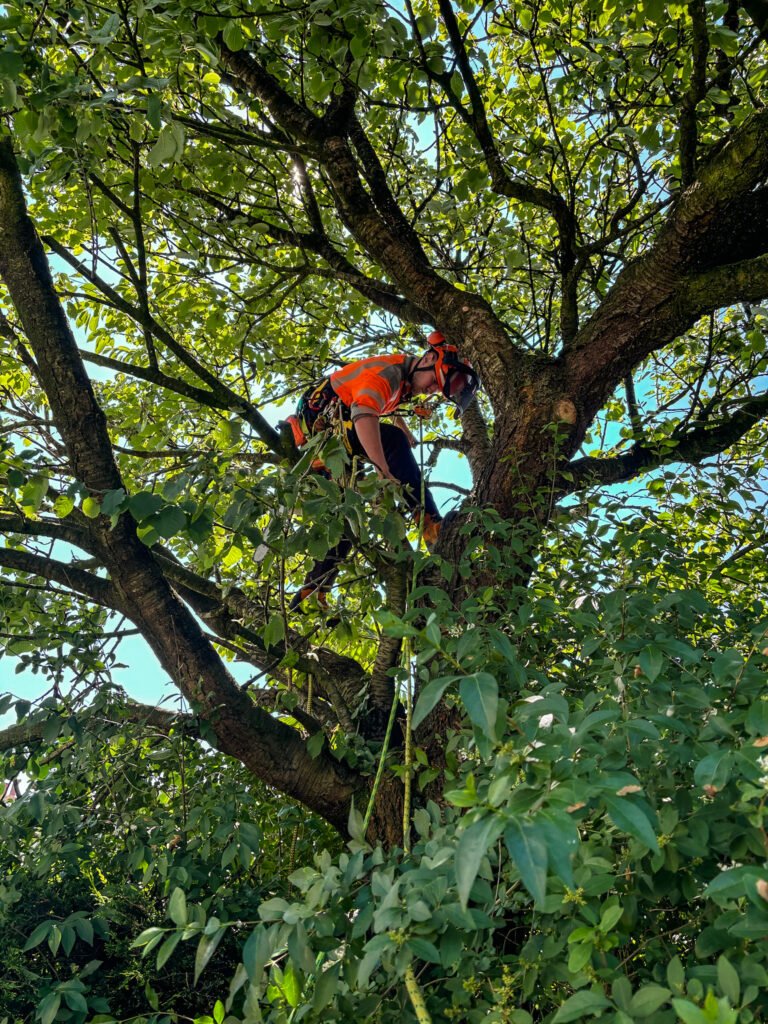
Cherry trees should be pruned in summer, ideally late July to early September. This timing:
- Reduces the risk of bacterial canker, which cherry species are highly susceptible to
- Allows pruning wounds to heal quickly
- Avoids cutting during peak sap flow
Winter pruning should be avoided for cherry species.
Pruning Different Types of Cherry Trees
1. Flowering Cherry Trees (Prunus spp.)
Flowering cherries are grown primarily for their spectacular blossom displays. Their natural shape is one of their greatest assets, so pruning should be minimal and considered.
How to Prune Flowering Cherries
- Remove dead, crossing, or congested branches
- Keep cuts small and clean to promote quick healing
- Avoid major structural reductions; flowering cherries respond poorly to hard pruning
- Maintain a balanced canopy without altering the tree’s signature form
Aesthetic Importance
Flowering cherries are centrepieces in many gardens. Sensitive pruning:
- Increases flower production
- Enhances the silhouette in winter
- Maintains the elegant branching patterns that make these trees iconic
2. Bird Cherry (Prunus padus)
Bird Cherry is known for its long, fragrant racemes of white flowers and its strong value for wildlife.
How to Prune Bird Cherry
- Light pruning only—remove damaged or low-quality branches
- Maintain a strong central leader when the tree is young
- Thin congested growth to improve airflow and reduce fungal issues
Ecological Value
Bird Cherry is a particularly important native tree:
- Supports a wide range of caterpillars
- Provides nectar for bees and hoverflies
- Produces berries eaten by birds in autumn
- Offers excellent nesting cover due to dense foliage
Preserving its natural, slightly wild shape enhances these ecological benefits.
3. Wild Cherry (Prunus avium)
Wild Cherry is a tall, graceful tree with stunning spring blossom and glossy red fruit. It can grow quite large, so pruning young is key.
How to Prune Wild Cherry
- Establish a good framework early—remove competing leaders
- Maintain evenly spaced branches around the trunk
- Remove damaged or diseased wood promptly
- Avoid heavy reductions; Wild Cherry does not tolerate harsh cuts well
Ecological Role
Wild Cherry is one of the UK’s most valuable native trees:
- Its blossom supports early pollinators
- The fruit is a favourite for birds and small mammals
- Cavities in mature trees provide excellent habitat for bats and birds
Good pruning helps create a long-lived, structurally sound tree that continues to support wildlife year after year.
General Pruning Tips for All Cherry Species
1. Avoid Cutting Into Large, Old Wood
Cherries struggle to heal large wounds and can become prone to decay.
2. Maintain the Natural Form
Cherries look best when their natural structure is respected.
3. Always Use Sharp Tools
Clean cuts reduce disease risk.
4. Don’t Over-Thin the Crown
Over-pruning can stress the tree and reduce flowering.
5. Monitor for Signs of Canker
Early removal of weakened branches can slow its spread.
Ecological and Aesthetic Value of Cherry Trees
Ecological Benefits
Cherry trees contribute significantly to UK biodiversity:
- Early blossom supports bees emerging from winter
- Fruit feeds birds such as thrushes and blackbirds
- Leaves support many moth and butterfly larvae
- Cavities in old trees become habitats
Aesthetic Contributions
Cherry trees are celebrated for:
- Their breathtaking spring blossom
- Their changing seasonal colours
- Their elegant branching structure
- Their role as specimen trees in gardens and parks
Thoughtful pruning helps enhance these features while preserving wildlife value.
Final Thoughts
Cherry trees, whether ornamental or native, reward careful pruning with healthier growth, increased flower production, and long-term ecological benefits. By understanding the specific needs of flowering cherries, Prunus padus, and Prunus avium, gardeners and landowners can help these stunning trees flourish for decades.