
A Case Study
One of the quiet truths of landscape work is how fleeting it can be. Many projects are measured in days or weeks, and then you pack up your tools and move on, never quite seeing the full story unfold. This woodland garden in Patterdale, Cumbria is different. It has been a pleasure to return to this site over time, watching it evolve, settle, and begin to reveal its long-term character. Gardens like this reward patience, both from the client and from the landscaper.
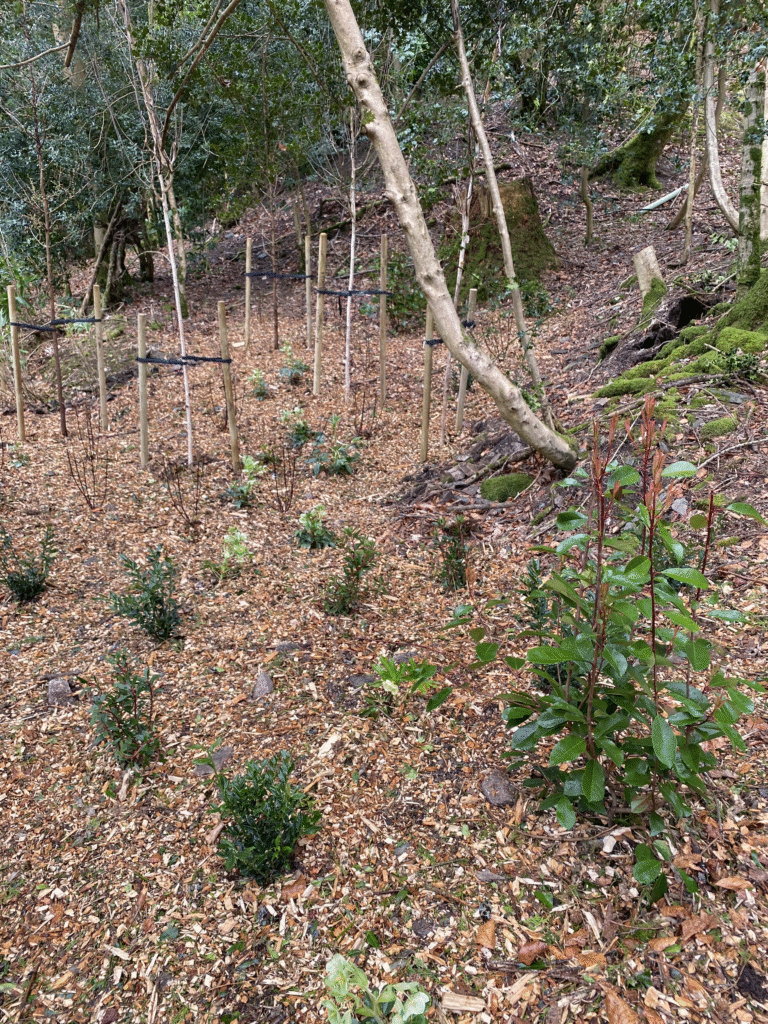
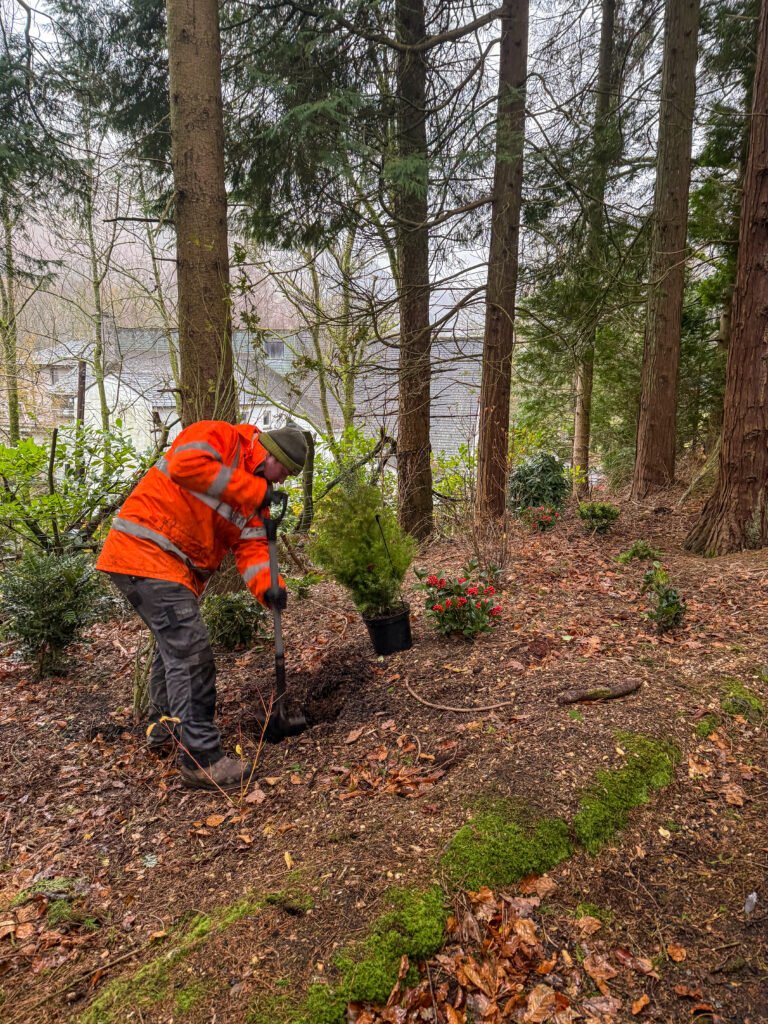
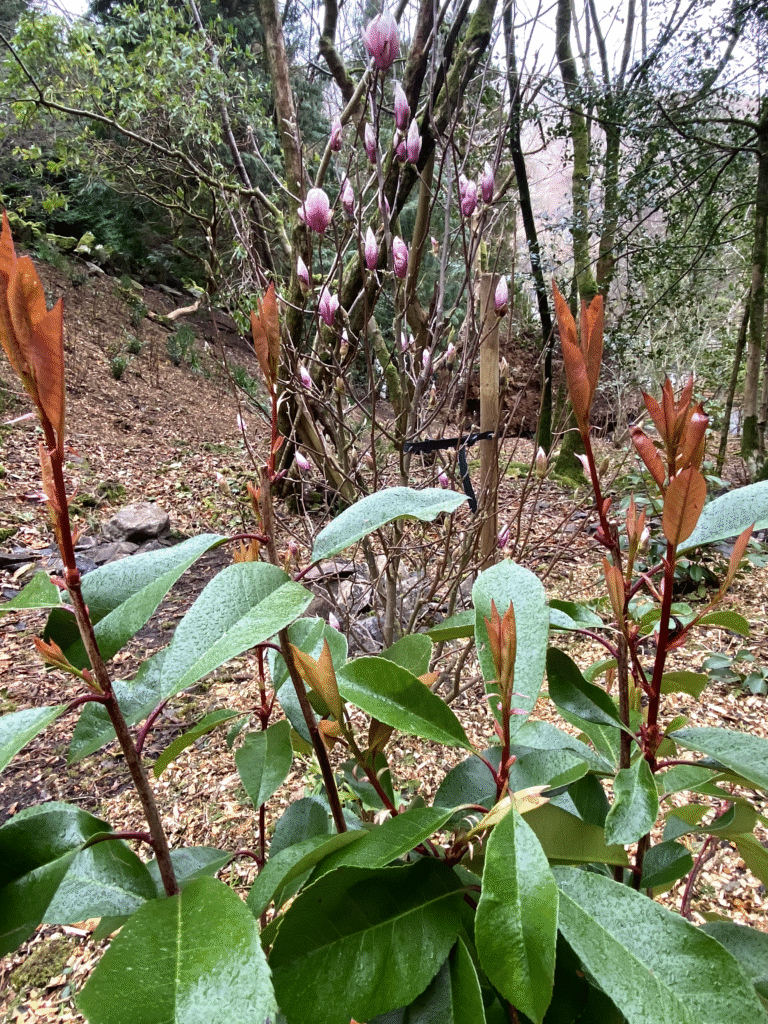
Set within a large, established woodland, the garden is defined by its mature and semi-mature trees, many of them conifers. These towering residents give the space its atmosphere, shelter, and sense of age, but they also present challenges. Dense canopies had created heavy shade, limiting understorey growth and leaving parts of the garden static and lifeless. The task was not to impose a new design on the landscape, but to work with what was already there, carefully opening pockets of light while preserving the woodland’s established feel.
Talk to us about your landscape project.
Tree safety was another key consideration. Some trees had outgrown their positions, particularly along the roadside, where age, exposure, and structural weaknesses posed genuine risks. Selective pruning was carried out to make trees safe and stable, while a small number required complete removal. Every decision was weighed carefully. In a woodland garden, removing a tree is never taken lightly; it changes light levels, views, and the emotional fabric of the space.
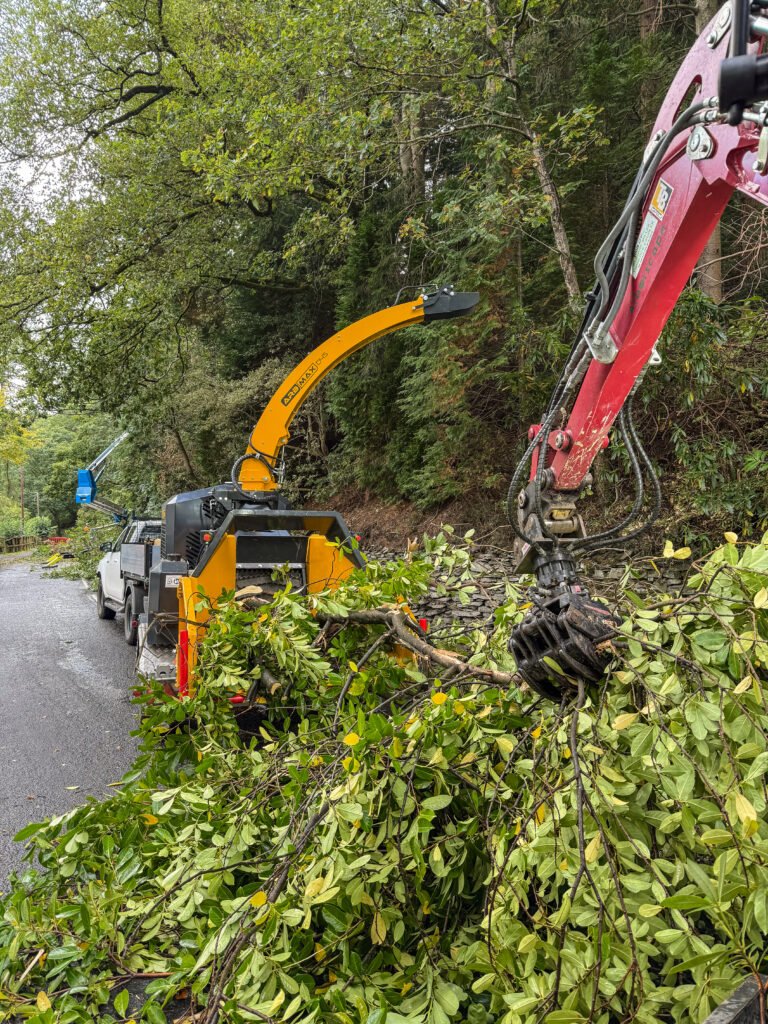
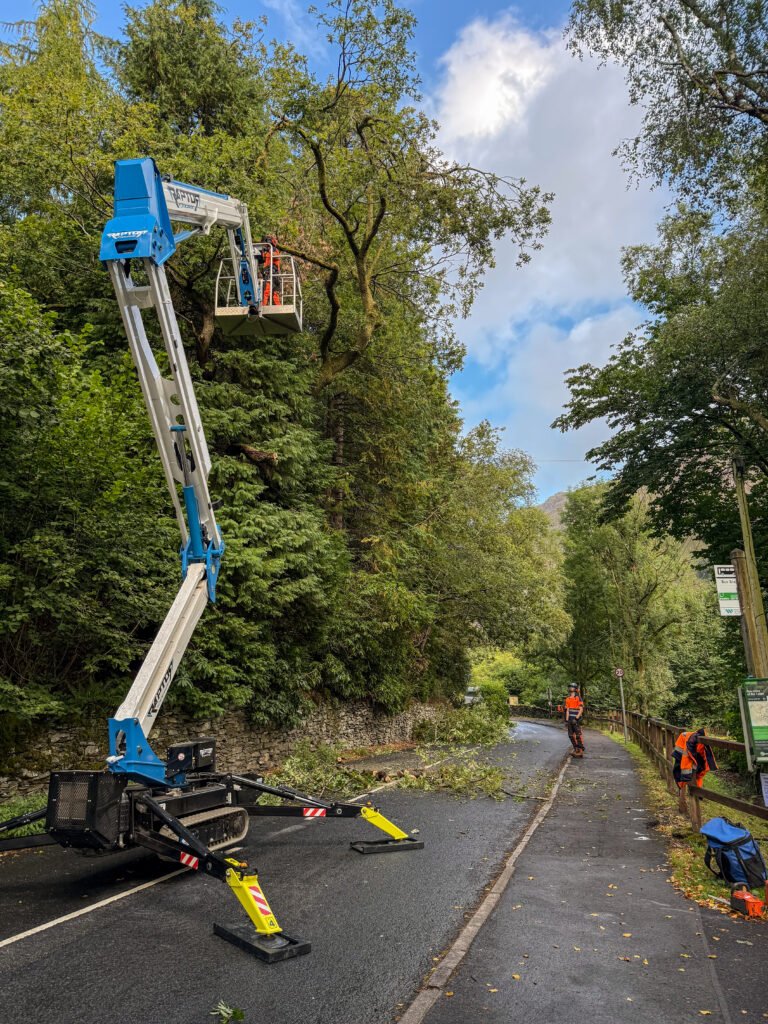
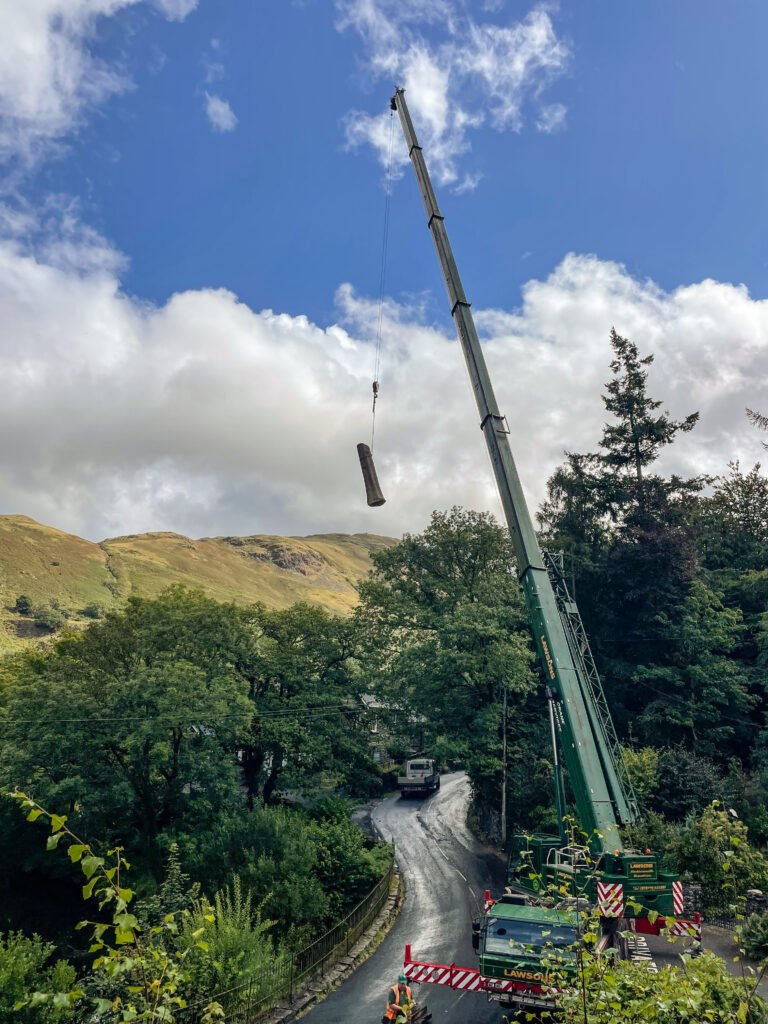
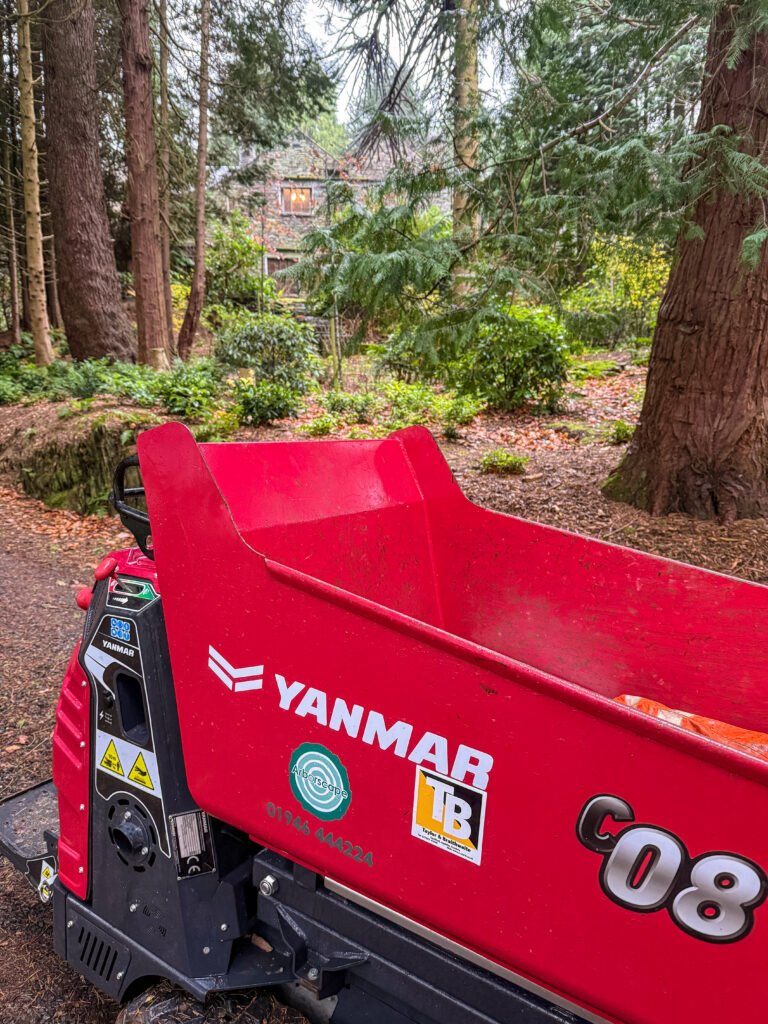
The preparation phase was substantial. Major tree works were required to deal with several large, dangerous roadside trees. This was not a simple operation. It involved a full road closure, the use of a mobile crane, and heavy-duty machinery including the Arb MaxD45 chipper. These were complex, technical removals carried out with safety as the absolute priority. The result was not only a safer environment but also the opportunity to reshape the garden’s future structure. For those interested in the detail, the tree removal itself is a story worth telling in its own right. READ MORE HERE.
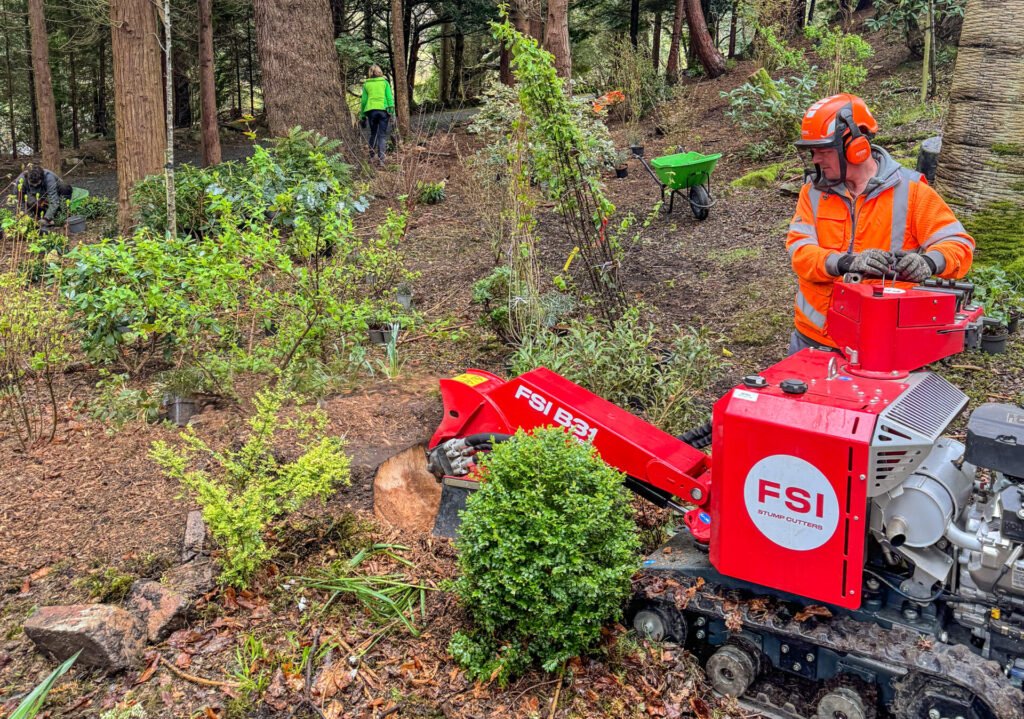
Further preparation continued below ground. Multiple stumps were removed to clear space for new planting and to prevent regrowth that would compete with young plants. This stage is often invisible once a garden is finished, but it is crucial. Removing old stumps opened up planting areas and allowed soil improvement, creating the conditions needed to bring colour and life back into the woodland floor.
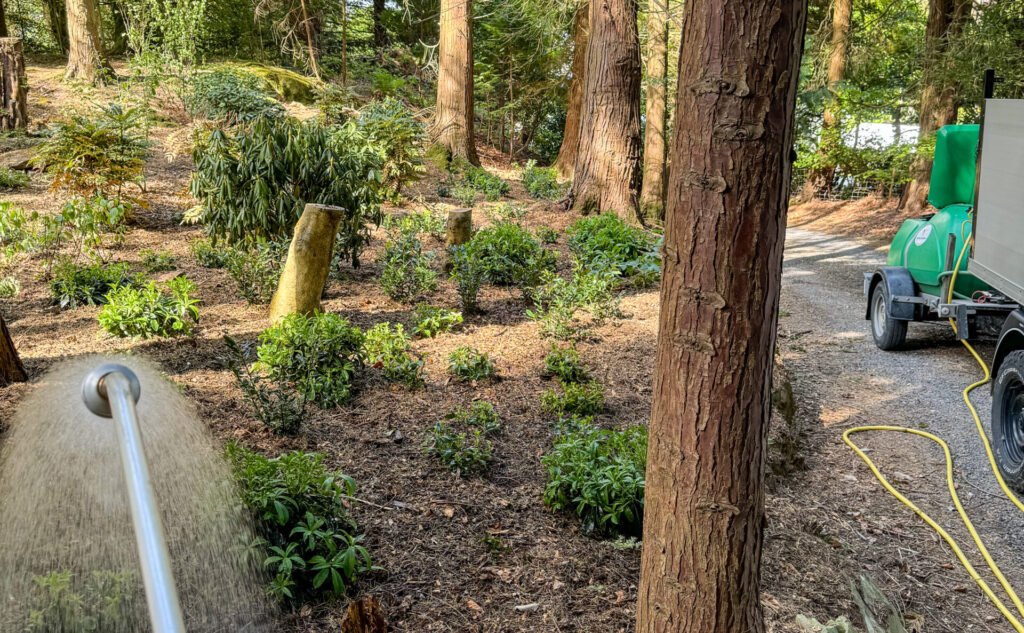
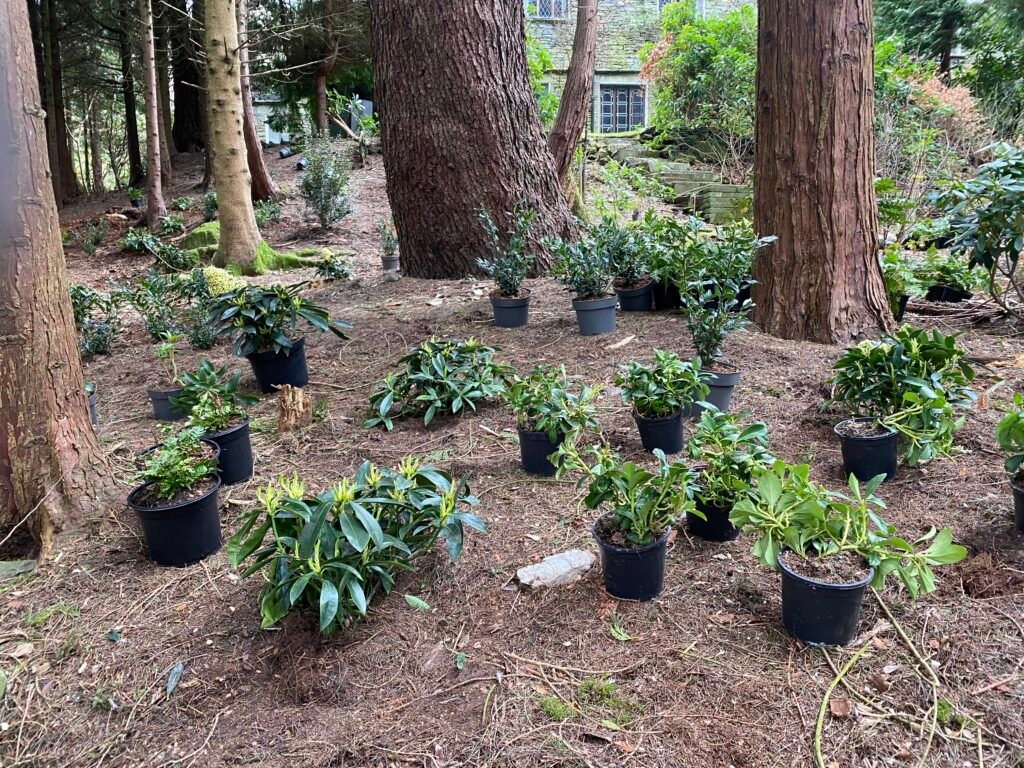
The planting scheme was designed specifically for the demands of this site. Patterdale’s climate, combined with shade or deep shade and dry, rocky soil, requires thoughtful plant selection. Understorey planting was a key focus, using species that thrive in low light and can knit the garden together beneath the trees. Ground cover plants were introduced to suppress weeds, retain moisture, and soften hard edges, gradually forming a living carpet across the woodland floor.

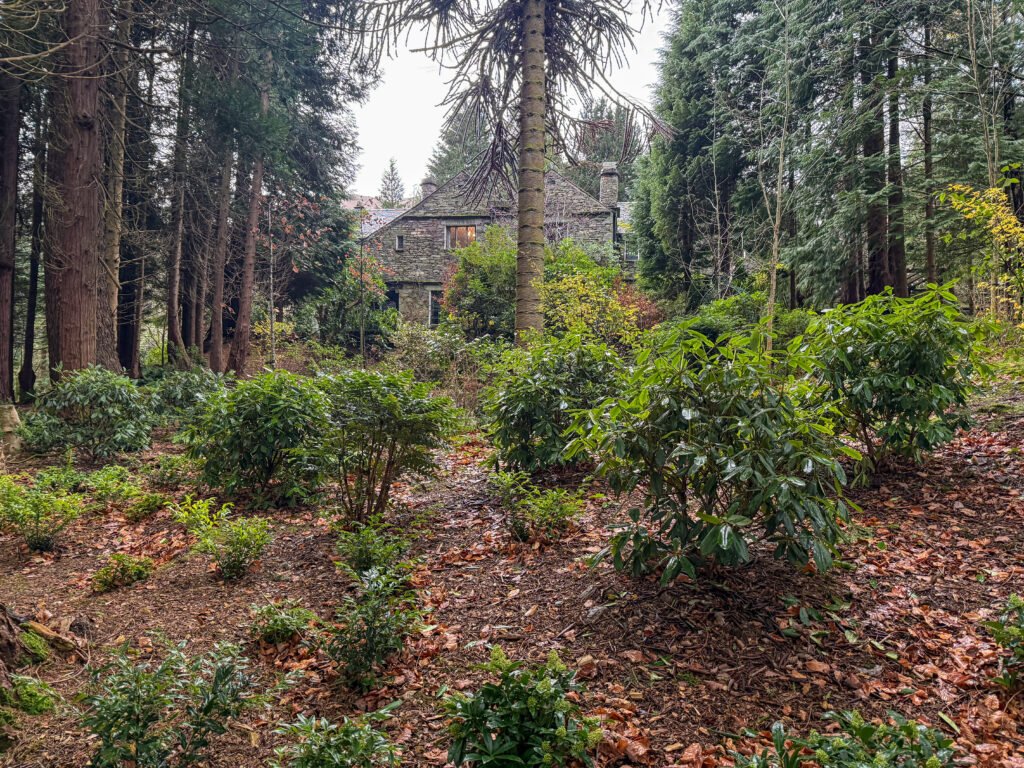
Replacement trees were planted where removals had taken place, ensuring continuity and succession for the future. These were chosen not only for suitability but also for their form and long-term contribution to the garden. Specimen plants were used sparingly to create focal points, while evergreen planting provides structure and colour throughout the year. Seasonal interest was carefully layered in, so the garden offers something different in every month, from fresh spring growth to winter texture.
This project is an ongoing conversation with the landscape. Rather than a single dramatic reveal, it is about steady transformation. As the new planting establishes and light filters differently through the canopy, the garden continues to grow into itself, richer, more diverse, and full of quiet woodland life 🌿
Talk to us about your landscape project.