
Woodchip mulch are widely used in gardens, landscapes, and public green spaces due to their practical and long-term benefits. Beyond their visual appeal, these organic mulches play an important role in soil health, plant performance, and resource conservation. When applied correctly, they contribute to more resilient and lower-maintenance landscapes.
Improved Moisture Retention
One of the primary benefits of bark and woodchip mulch is its ability to reduce soil moisture loss. By covering the soil surface, mulch limits evaporation caused by sun and wind. This helps maintain more consistent soil moisture levels, reducing the frequency of irrigation and supporting healthier root systems.
Consistent moisture availability is particularly beneficial during periods of drought or high temperatures, when unmulched soil can dry rapidly.
Soil Temperature Regulation
Organic mulches act as an insulating layer for the soil. In warm weather, they reduce soil temperature by shading the surface, protecting roots from heat stress. In colder conditions, mulch helps buffer against temperature fluctuations and reduces the risk of frost damage to shallow-rooted plants.
This temperature moderation supports stable biological activity in the soil throughout the year.
Weed Suppression
A sufficiently thick layer of bark or woodchip mulch suppresses weed growth by blocking light from reaching the soil surface. This limits weed seed germination and reduces competition for water and nutrients.
While mulch does not eliminate weeds entirely, it significantly lowers weed pressure and reduces the need for chemical or mechanical control methods.
Soil Health and Organic Matter Improvement
As bark and woodchip mulch gradually decompose, they contribute organic matter to the soil. This process improves soil structure, increases water-holding capacity, and promotes beneficial microbial and fungal activity.
Over time, improved soil quality leads to better nutrient availability and stronger plant growth, particularly in perennial beds and around trees and shrubs.
Erosion Control and Surface Protection
Mulch protects soil from the impact of heavy rainfall, which can cause surface compaction and nutrient loss. By absorbing and dispersing rainfall, bark and woodchip mulch reduce runoff and soil erosion.
This is especially valuable on slopes, newly planted areas, and exposed soils where erosion risk is higher.

Aesthetic and Practical Benefits
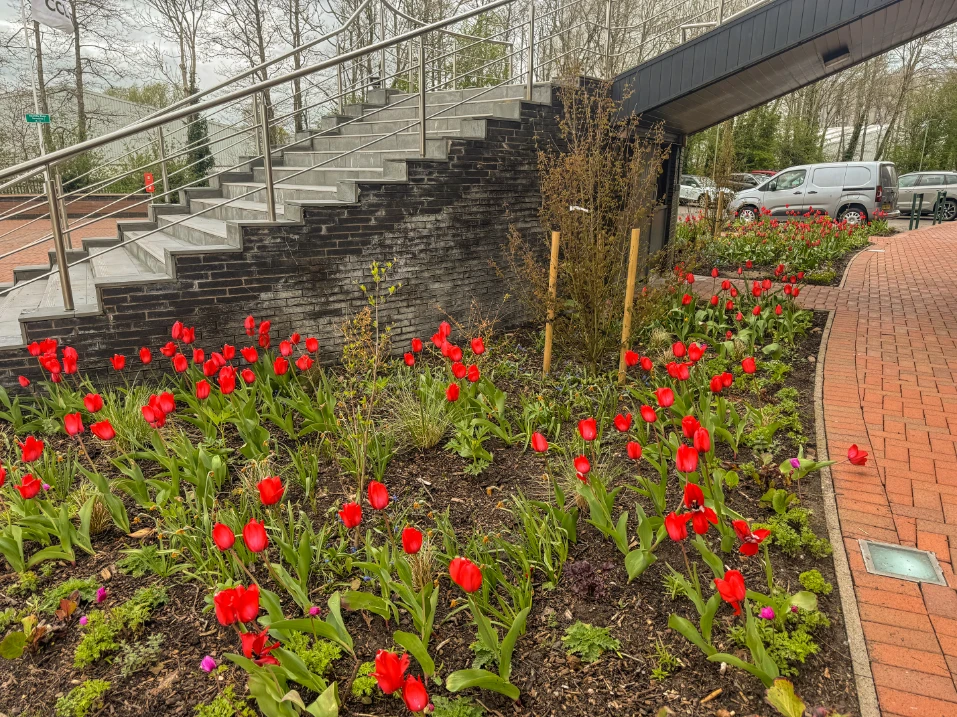
In addition to functional advantages, bark and woodchip mulch looks great! It provides a clean, uniform appearance in garden beds and landscaped areas. Natural wood mulches integrate well with a wide range of planting styles and tend to age naturally without the need for replacement due to fading or degradation.
They also reduce soil splashing onto foliage, which can help limit the spread of soil-borne plant diseases.
Best Practices for Application
For most landscape applications, woodchip mulch should be applied at a depth of approximately 5 to 10 cm. Mulch should be kept clear of direct contact with plant stems and tree trunks to prevent moisture-related issues and decay.
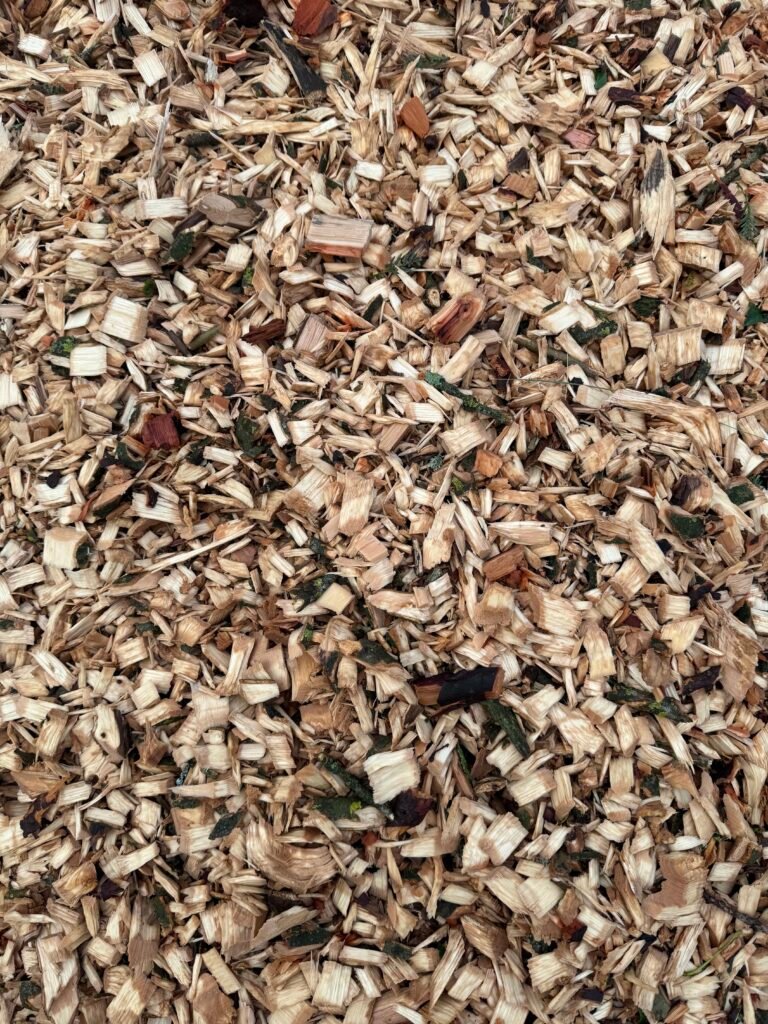
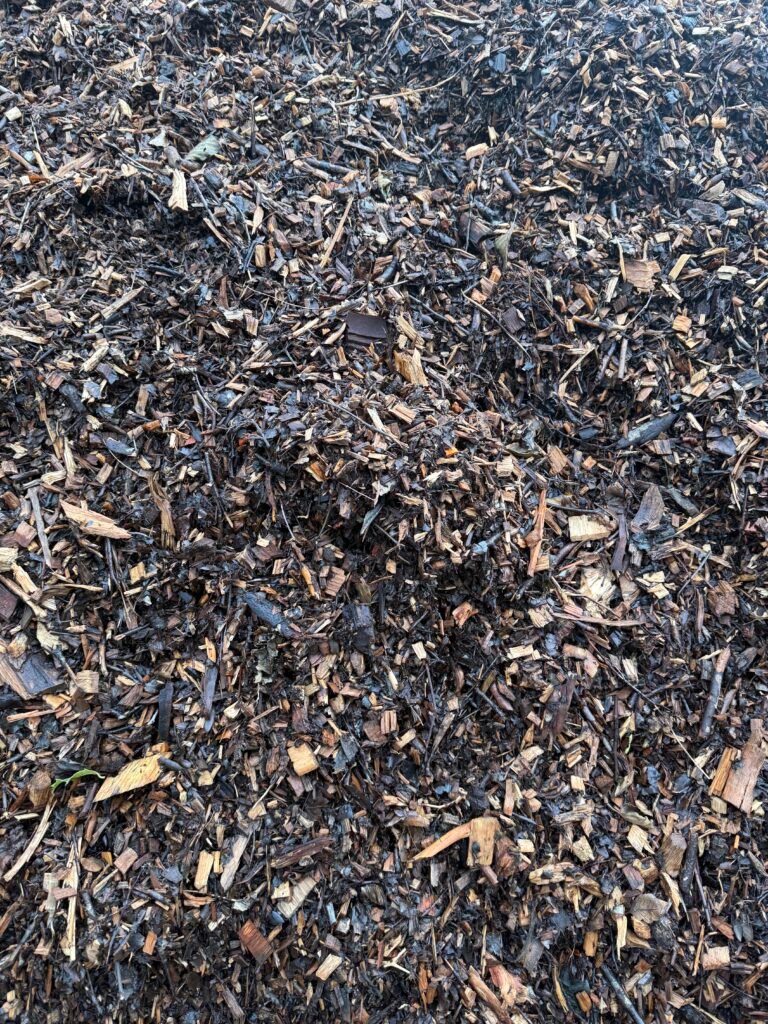
Different mulch types serve different purposes. Bark mulch typically decomposes more slowly and is well suited for ornamental beds and pathways, while mixed woodchips break down more quickly and are beneficial for improving soil health in planting areas.
Buy Woodchip mulch
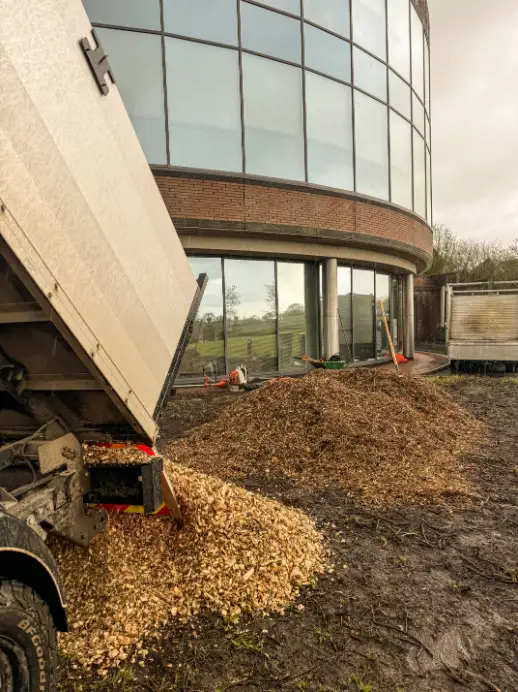
Arborscape, can supply either whole tree mulch or composted mulch in bulk at great prices. Local delivery can be arranged, contact us for a quote. Click the link to visit our online shop.
Conclusion
Bark and woodchip mulch are effective, environmentally responsible tools for improving soil conditions, conserving water, and reducing maintenance requirements. When used appropriately, they support healthier plants, protect soil structure, and contribute to sustainable landscape management over the long term.