
This season it’s all about planting trees.
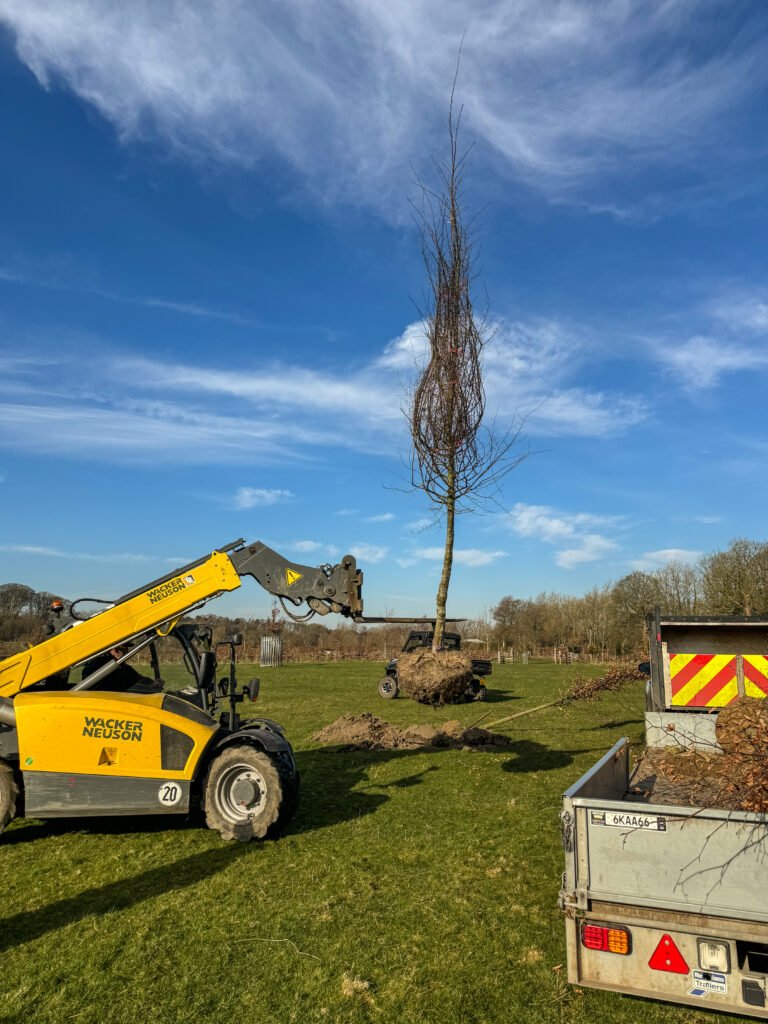
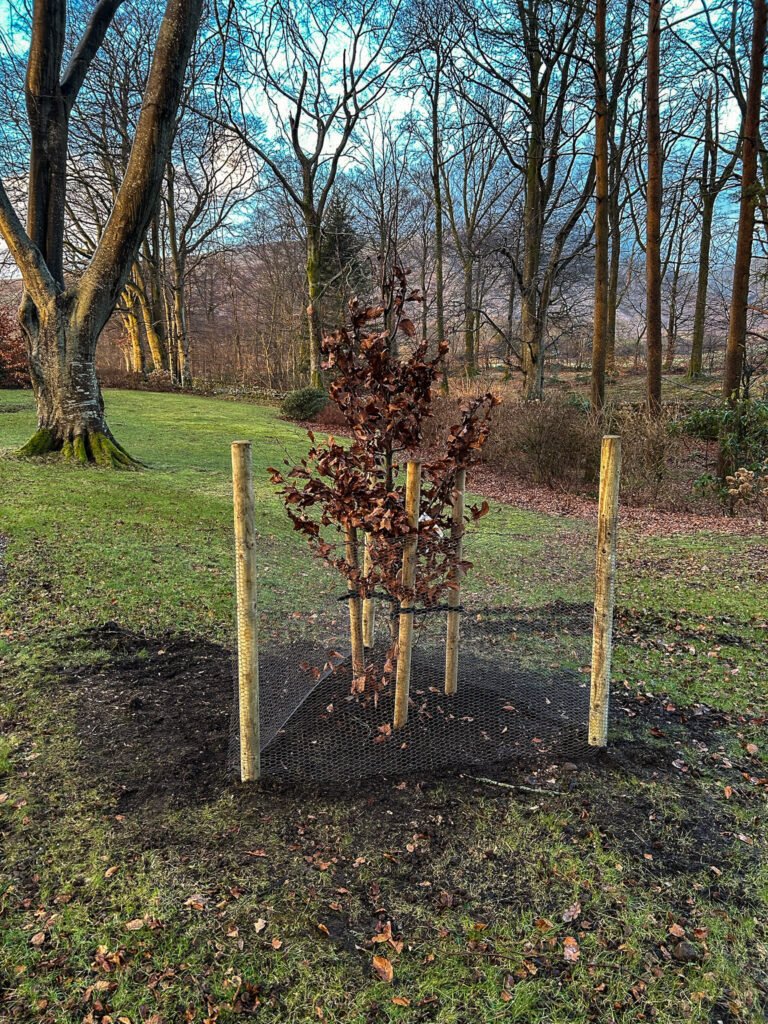
One of our current projects involves swathes of ornamental tree planting in a large woodland garden in Patterdale. Some of the beautiful trees going in include; specialist magnolias, American oak and swamp cypress and ornamental cherries. This is the perfect time of year to plant trees, giving them plenty of time to get established, without the worry of drought stress.
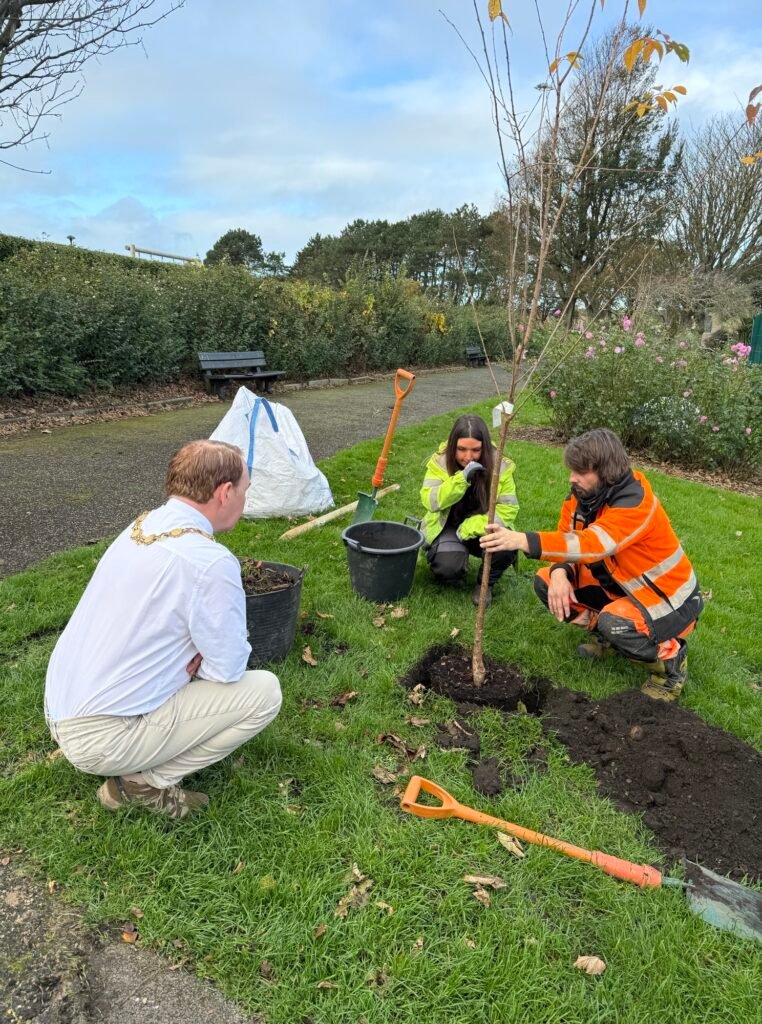
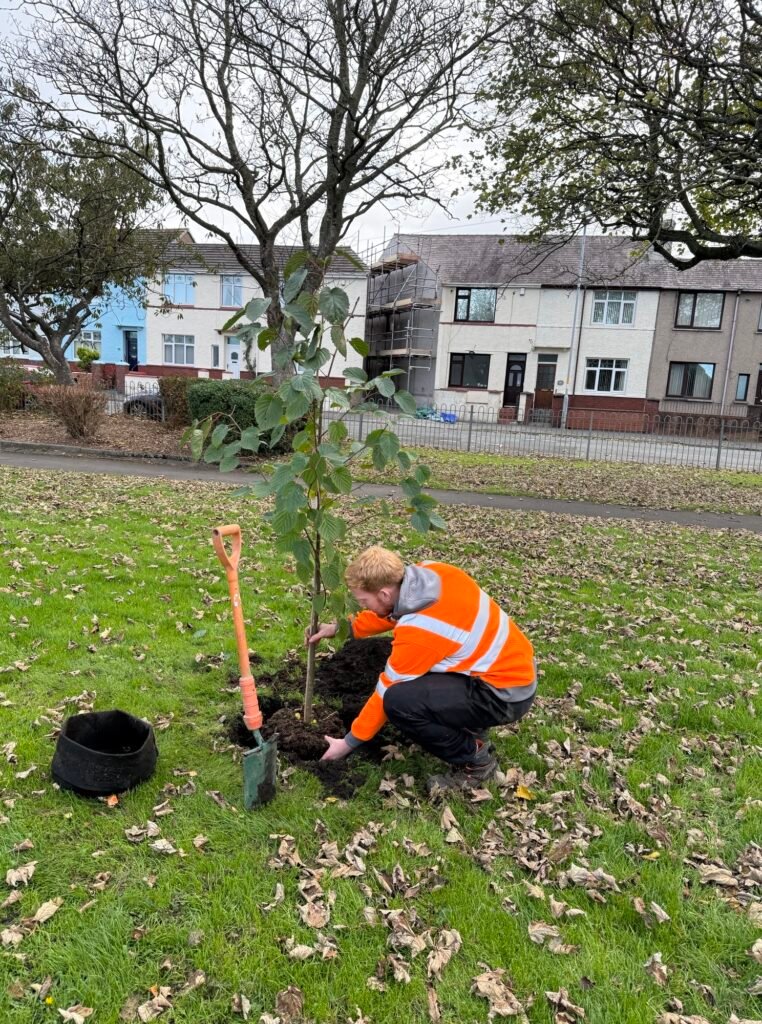
A couple of weeks ago, Arborscape was conducting some training whist planting 5 new trees in Vulcan Park, in Workington, donated as part of our community outreach schemes. These species selections should ensure the park has interesting trees in the years to come. Find out more about our Free Tree Scheme.
‘The Mayor was joined in the park by Arborscape Environmental Services and two apprentices who planted 5 beautiful new trees. Arborscape are helping train apprentices and the council were more than happy to provide Vulcan Park as a learning outlet. We can’t wait to watch everything grow and bloom in the months and years to come.
‘



Why Winter Is the Secret Season for Tree Planting
When most people imagine tree planting, they picture warm spring days, soft soil, and budding leaves. But seasoned gardeners, foresters, and restoration experts know a powerful truth: winter is actually one of the best times to plant trees. Whether you’re working on a backyard project or planning habitat restoration, winter planting offers unique advantages that can set young trees up for long-term success.
1. Dormancy Makes Winter Planting Ideal
In winter, trees enter a natural state of dormancy—essentially their “rest mode.” Planting during this period is far less stressful for young saplings because they’re not trying to grow leaves or support fruit. This means:
- Less water demand
- Lower risk of transplant shock
- More time to establish roots before the heat of summer
Dormant trees conserve energy, allowing them to focus on one thing that matters most during their first year: building a strong root system.
2. Winter Soil Conditions Work in Your Favour
As long as the ground isn’t frozen solid, winter soil is often easier to work with than you’d expect. Moist winter soil helps roots settle in and reduces the risk of air pockets that can dry out new plantings. In many regions, winter brings consistent rainfall or snowmelt—nature’s built-in irrigation system.
3. Fewer Pests and Diseases
Winter’s cold temperatures dramatically reduce the presence of insects, fungal spores, and other pests. Young trees planted in winter face fewer threats from leaf-eating insects, borers, or heat-loving diseases. This gives them a clean, healthy start.
4. Beat the Spring Rush
Garden centers, nurseries, and conservation groups often have excellent stock available in late fall and winter. Many tree species—especially bare-root trees—are only available during the dormant season. Planting early also gives you a head start on spring projects.
5. More Time for Roots to Establish
Planting a tree in winter allows roots to grow quietly underground while the above-ground parts sleep. By spring, your tree is ready to burst into growth with a stronger foundation than its spring-planted counterparts. And when summer arrives, that extra root growth helps the tree withstand dry spells and heat.
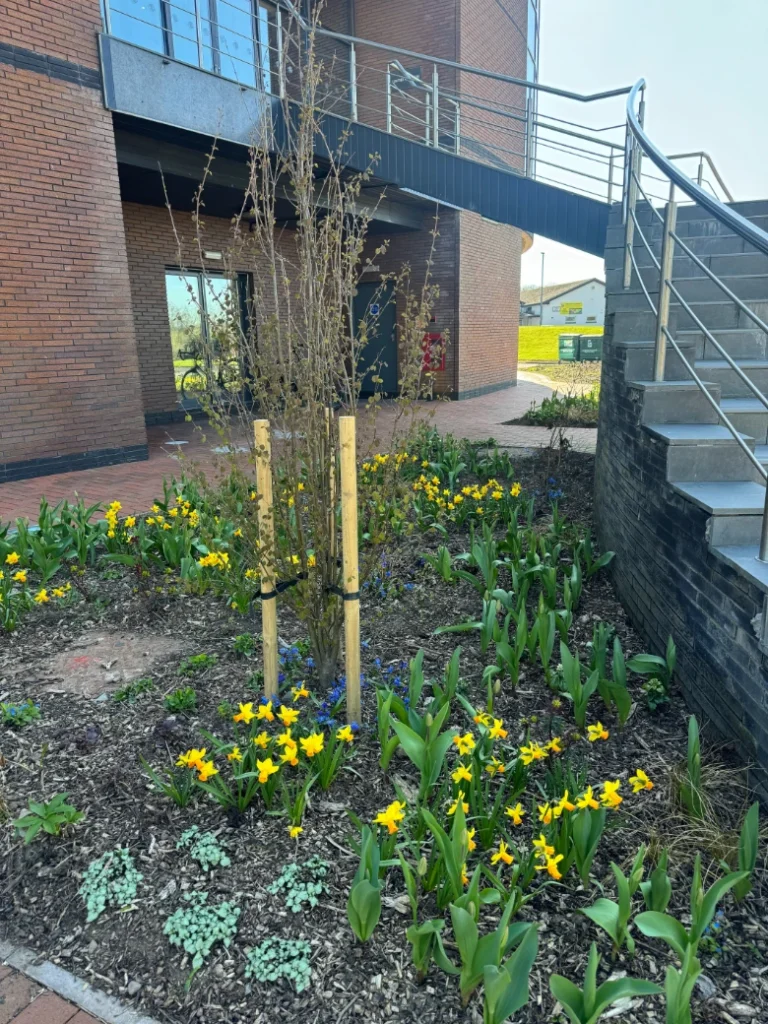
Tips for Successful Winter Tree Planting
Choose the right day
Aim for a mild winter day when the soil is workable—not frozen or waterlogged.
Plant at the correct depth
Make sure the root flare (where the trunk widens at the base) sits slightly above soil level. Planting too deep is a common cause of tree failure.
Mulch wisely
Add a layer of wood chips or shredded bark to insulate soil and conserve moisture—but keep mulch a few inches away from the trunk.
Water if needed
Even in winter, your new tree may need water during dry spells. Feel the soil around the roots every few weeks.
Winter Planting Sets Trees Up for Long-Term Health
Tree planting isn’t just a warm-weather activity. Winter provides a calm, low-stress window that can give your trees a powerful head start. By planting during the dormant season, you’re working with nature’s rhythms rather than against them—and the trees will thank you for it with stronger roots, healthier growth, and greater resilience in the years ahead.
If you’re considering adding new trees to your landscape, don’t wait for spring. Winter may be the perfect time to dig in