
A Complete Guide for Hedges, Hedge-Laying, Gapping Up & Specimen Trees
Pruning Hawthorn: Crataegus monogyna, also known as May or Whitethorn, is one of the most valued native species in Britain and Ireland. Renowned for its dense growth, sweet-scented blossom, and rich ecological value, hawthorn serves as both a beautiful ornamental tree and an incredibly effective hedge plant. Whether you’re managing a wildlife-friendly boundary, restoring an old country hedge, or caring for a single specimen tree, correct pruning plays a major role in maintaining health, structure, and biodiversity.
This guide explores how to prune hawthorn for hedges, hedge-laying, gapping up, and as a standalone tree, while highlighting the species’ significant environmental benefits.
Environmental Benefits of Hawthorn
Before diving into pruning techniques, it’s worth understanding why hawthorn is such an important species for the environment:
- Wildlife Habitat: Dense branches provide nesting sites for small birds such as wrens, blackbirds, and linnets.
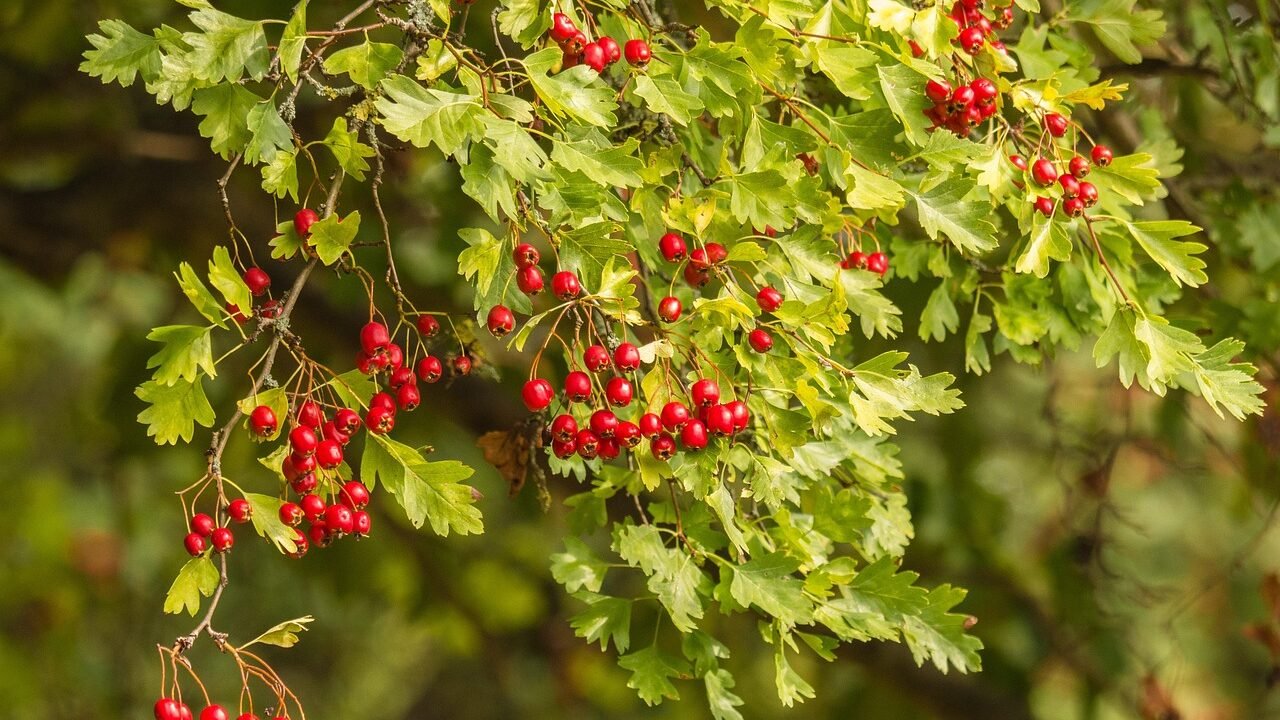
- Food Source: Flowers support pollinators in spring, while the autumn haws feed thrushes, finches, and small mammals.
- Shelter & Protection: Its thorny structure creates safe refuge for wildlife, and hedges act as natural windbreaks for farmland.
- Carbon Storage: Like all native trees, hawthorn contributes to carbon capture and soil stability.
- Biodiversity Corridors: Hedgerows create essential green corridors that allow wildlife to travel safely through rural and suburban landscapes.
Good pruning ensures the hedge or tree remains healthy and continues to deliver these benefits year after year.
Pruning Hawthorn Hedges
Hawthorn hedges respond extremely well to regular trimming and quickly thicken when pruned correctly.
When to Prune
Trim once or twice a year, with the main prune in late summer to early autumn. Avoid cutting hedges between March and August, when birds may be nesting.
How to Prune
- Aim for a tight, bushy structure by lightly trimming the sides and top.
- Shape the hedge with a wider base and narrower top, ensuring light reaches all levels.
- Avoid cutting into thick old wood unless you are rejuvenating the hedge. Hawthorn will regrow from old wood, but it’s best done gradually.
- For overgrown hedges, reduce height over two or three years to avoid shocking the plants.
- Even very new hedging will benefit from a light trim in the first year to encourage branching.
Routine trimming encourages dense foliage, improving both appearance and wildlife value.
Hedge-Laying Hawthorn
Hedge-laying is the traditional craft of partially cutting and bending stems to create a thick, stock-proof barrier. Hawthorn is one of the best species for this method due to its flexible young stems and vigorous regrowth.
Key Tips for Laying
- Best done in winter, when the plant is dormant.
- Stems (pleachers) are cut near the base, then gently laid over and interwoven.
- New shoots rising from the laid stems quickly fill gaps and create a dense structure.
- Regular trimming in the following years maintains height and prevents gaps forming.
Hedge-laying rejuvenates old, leggy hedges and dramatically increases habitat value by creating dense nesting cover. In areas where there are large gaps in the hedge eg from damage or other plants have died, gapping up with new hawthorn whips is often part of the hedge laying process. This can be an opportunity to incorporate other native species such as blackthorn, hazel or field maple to increase diversity and helps to restore the hedge a wildlife corridor.
Pruning Specimen Hawthorn Trees
For example Cretaegus laevigata ‘Paul’s Scarlet’ is an attractive, deep pink flowered tree which has the benefits of bringing wildlife into the garden as well its decorative form. When grown as a single tree, hawthorn has a naturally rounded, tidy form. It requires minimal pruning, but a little attention goes a long way and can improve longevity and form.
How to Prune
- Prune lightly in late autumn or winter when the tree is dormant.
- Remove any dead, crossing, or diseased branches.
- Maintain a balanced shape, but avoid over-pruning—hawthorn thrives with a natural, slightly rugged look.
- Keep the crown open enough for good airflow to reduce the risk of fungal diseases.
Specimen hawthorns are especially attractive in spring blossom and full of autumn colour, making them valuable ornamental additions to gardens.
Final Thoughts
Whether you’re managing a countryside hedge, restoring a tired boundary, laying a traditional hedgerow, or caring for a single hawthorn tree, thoughtful pruning ensures long-term health and rich ecological value. With its combination of beauty, resilience, and wildlife benefits, hawthorn remains one of the most rewarding native species to work with—perfect for gardeners, landowners, and conservationists alike.
Need a bit of help pruning? Here at Arborscape we have all the expertise, experience and equipment on hand to do the job safely and efficiently leaving the site tidy and your precisely trees pruned! Contact us for a free quote.