
A Complete Guide for Healthy Growth
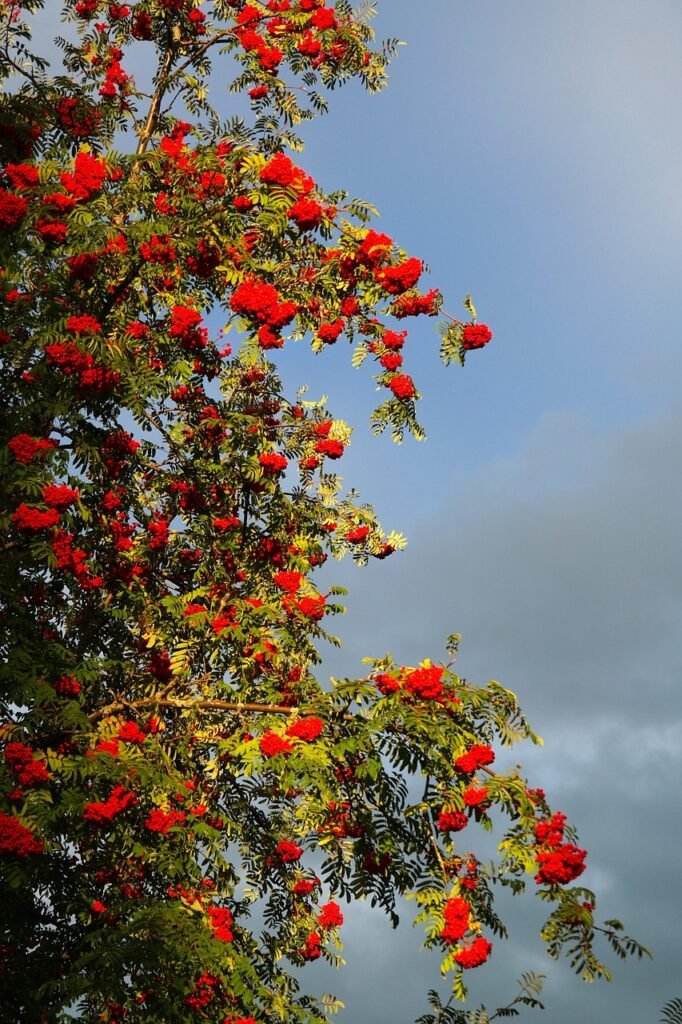
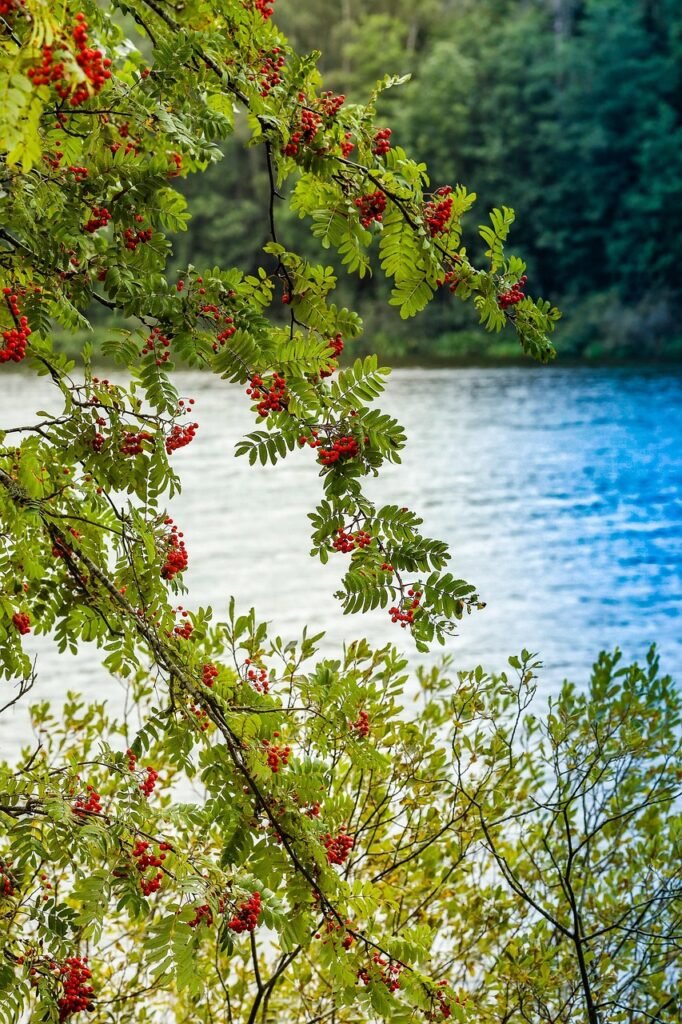
Rowan trees, also known as Sorbus aucuparia or mountain ash, are prized for their delicate foliage, spring flowers, and vibrant autumn berries. While they are naturally graceful trees, proper pruning is essential to keep a rowan healthy, structurally sound, and looking its best. In this guide, we’ll explore when and how to prune rowan trees, common mistakes to avoid, and why correct pruning matters.
Need a tree pruning?
Why Pruning Rowan Trees Is Important
Pruning rowan trees is not about heavy cutting or reshaping. Rowan trees prefer a light, thoughtful approach. Correct pruning helps to:
- Remove dead, diseased, or damaged branches
- Improve air circulation through the canopy
- Reduce the risk of fungal disease
- Maintain a strong, balanced structure
- Encourage healthy flowering and berry production
Without pruning, a rowan tree can develop crossing branches, weak growth, or overcrowding that leads to stress and long-term decline.
When Is the Best Time to Prune a Rowan Tree?
The best time for pruning rowan trees is late winter to early spring, while the tree is dormant. During dormancy, the structure of the tree is easier to see, and pruning wounds heal more efficiently once growth resumes.
Avoid pruning in autumn, as this can encourage soft growth vulnerable to frost. Summer pruning should also be minimal, limited only to removing damaged or hazardous branches.
How to Prune a Rowan Tree Correctly
When pruning a rowan tree, always aim for minimal intervention. Follow these steps for best results:
1. Remove Dead or Diseased Wood
Start by cutting out any dead, dying, or diseased branches. These are often brittle, discoloured, or lack buds. Removing them improves tree health and prevents disease spread.
2. Thin Crossing and Rubbing Branches
Branches that cross or rub against each other create wounds that allow pests and disease to enter. Select the weaker or poorly positioned branch and remove it cleanly at its base.
3. Maintain a Natural Shape
Rowan trees have an elegant, open form. Avoid heavy crown reduction or shaping. Focus instead on preserving the tree’s natural silhouette while correcting structural issues.
4. Remove Low or Inward-Growing Branches
Branches growing inward toward the centre of the canopy restrict airflow and light penetration. Removing them helps reduce fungal problems and promotes even growth.
How Much Should You Prune?
A common mistake when pruning rowan trees is over-pruning. As a rule, never remove more than 20 percent of the canopy in a single season. Excessive pruning can stress the tree, reduce berry production, and trigger weak regrowth.
Rowan trees respond best to light, regular pruning rather than aggressive cutting.
Tools and Pruning Cuts
Use sharp, clean tools such as secateurs, loppers, or a pruning saw. Always make clean cuts just outside the branch collar, never flush against the trunk. This allows the tree to heal naturally and reduces the risk of decay.
Disinfect tools between cuts if disease is present to prevent cross-contamination.
Common Mistakes to Avoid When Pruning Rowan Trees
- Heavy topping or pollarding
- Pruning during frost or wet conditions
- Leaving long stubs after cutting
- Removing healthy branches unnecessarily
These mistakes can weaken the tree and shorten its lifespan.
Final Thoughts on Pruning Rowan Trees
Pruning a rowan tree is about guidance, not control. With careful timing and a light touch, pruning helps Sorbus aucuparia thrive for decades, rewarding you with seasonal beauty and abundant berries. If the tree is mature, protected, or close to buildings, consulting a qualified arborist is always a wise choice.
By pruning thoughtfully, your rowan tree will remain a strong and striking feature in your landscape year after year.