A Practical Guide to Pruning Ash Trees
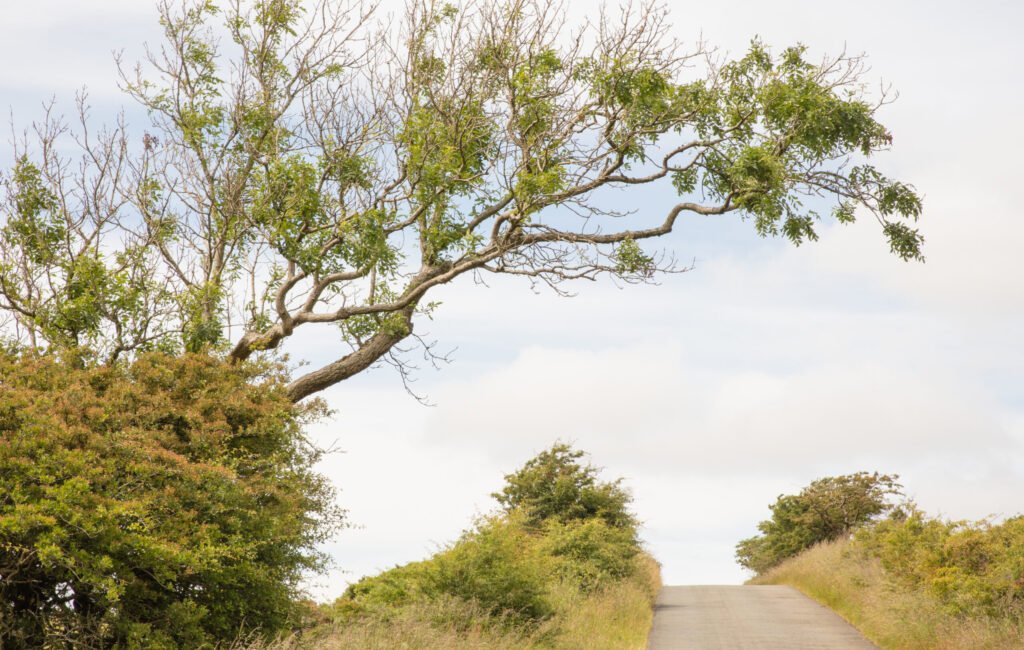
Pruning Ash with particular reference to Ash dieback Ash trees, Fraxinus excelsior, are a defining feature of many landscapes, valued for their light canopies, resilience, and ecological importance. With the increasing environmental pressures and the spread of ash dieback, careful, well-informed pruning has become essential. This guide offers practical advice for pruning ash trees—including Common […]
Pruning Beech Trees and Hedges
A practical
Pruning Birch:
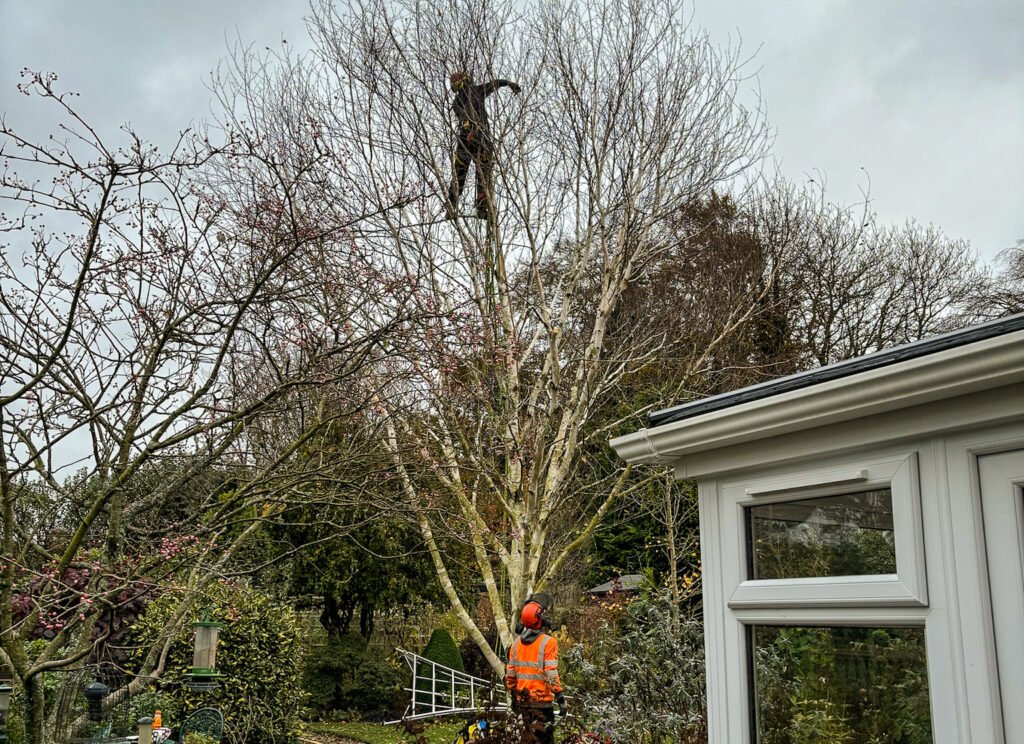
A Guide for pruning Pendula, ‘Youngii’, ‘Jacquemontii’ & Multi-Stemmed Birches Pruning Birch: These trees are among the most graceful and popular ornamental trees in gardens and landscapes. With their shimmering bark, light canopy, and elegant movement in the wind, birches bring year-round beauty with surprisingly little maintenance. However, while birches do not require heavy pruning, […]
A Complete Guide to Pruning Acers:
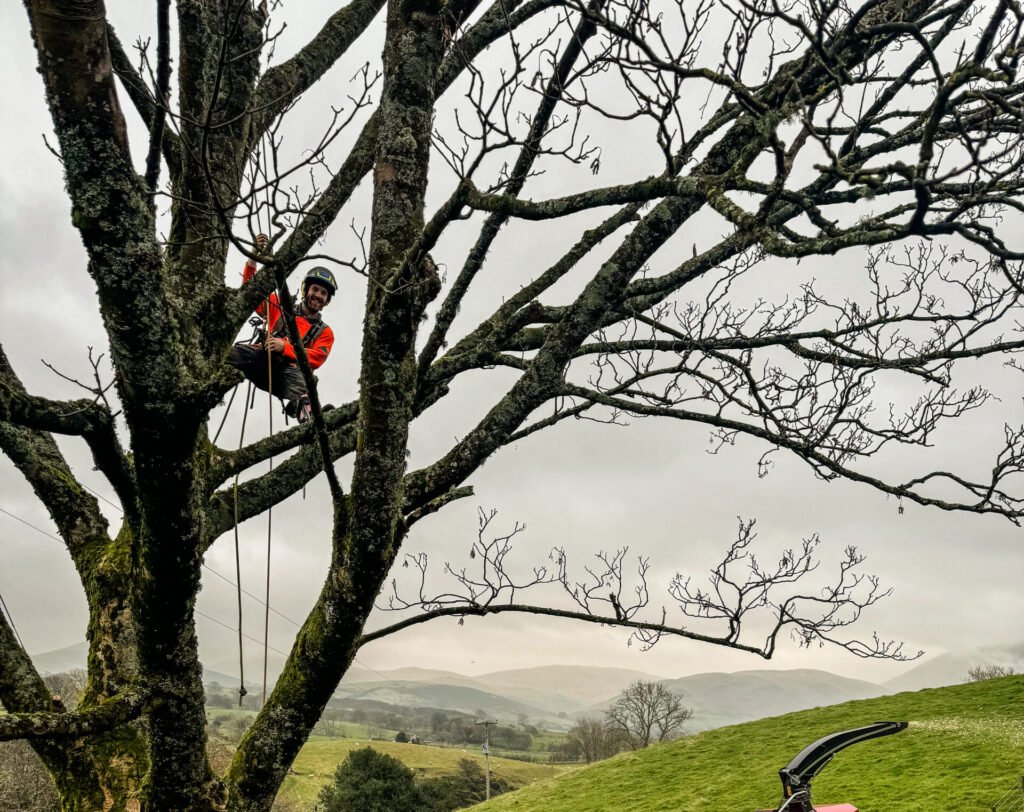
From Sycamores & Field Maples to ornamental specimines such as Japanese & Norway Maples Pruning Acers: Commonly known as maples—ranging from towering native trees like sycamore and the smaller field maple to delicate ornamental Japanese maples admired for their intricate foliage. Although these species belong to the same botanical family, their pruning needs differ significantly. […]
Pruning Oak Trees:
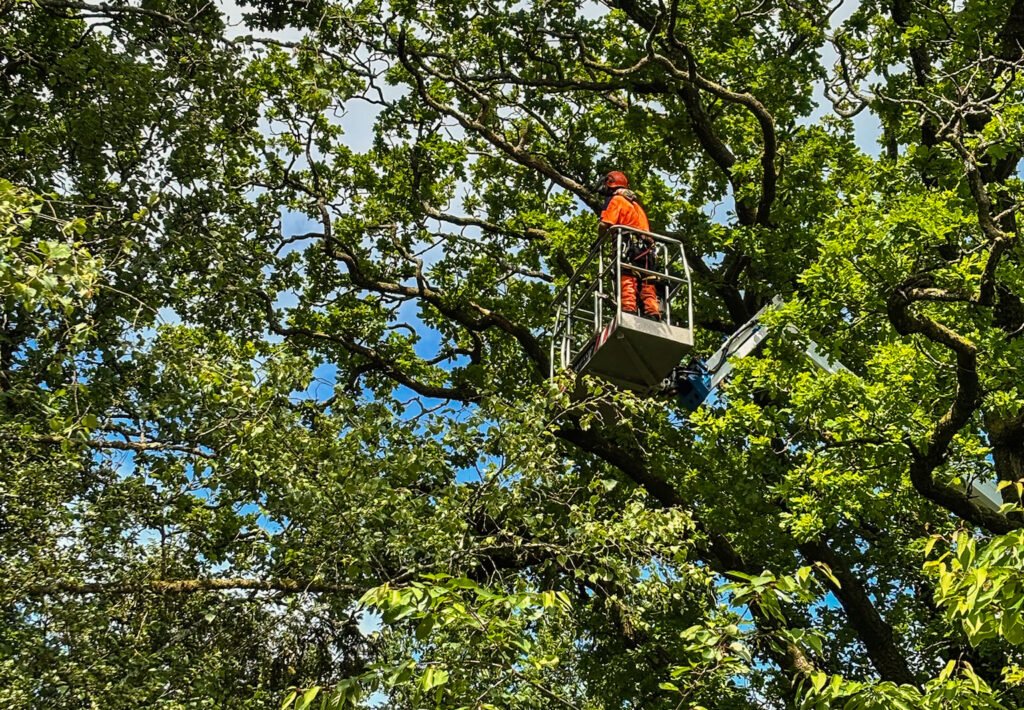
Enhancing Structure, Health & Wildlife Value Pruning Oak trees: These are some of the most iconic and ecologically valuable species in the world. From the native English oak to the evergreen holm oak and the large North American species, oaks are not only majestic garden features but also keystones for biodiversity. Correct pruning ensures structural […]
When and How to Prune Magnolia Trees in Northern England
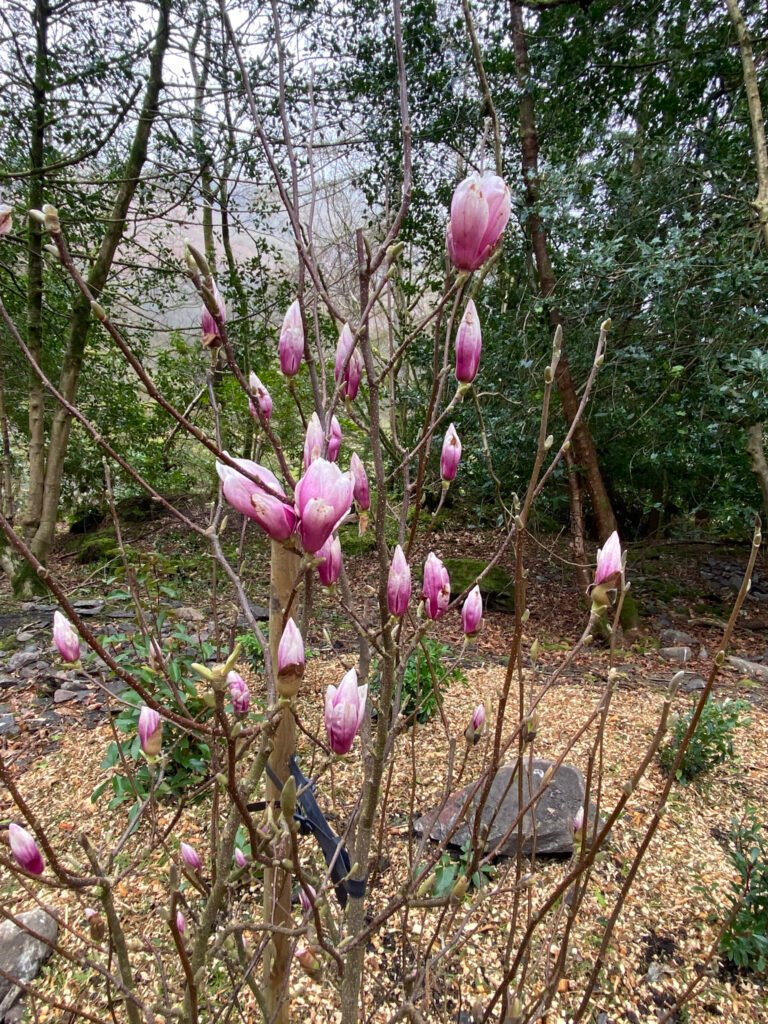
A Practical, Guide for Gardeners in Cool, Northern Climates Magnolias are some of the most breath-taking trees you can grow in the UK, offering spectacular spring blooms and elegant structure. But if you live in Northern England, you may wonder when and how to prune magnolia without damaging its flowering potential. Magnolia pruning must be […]
Winter Pruning
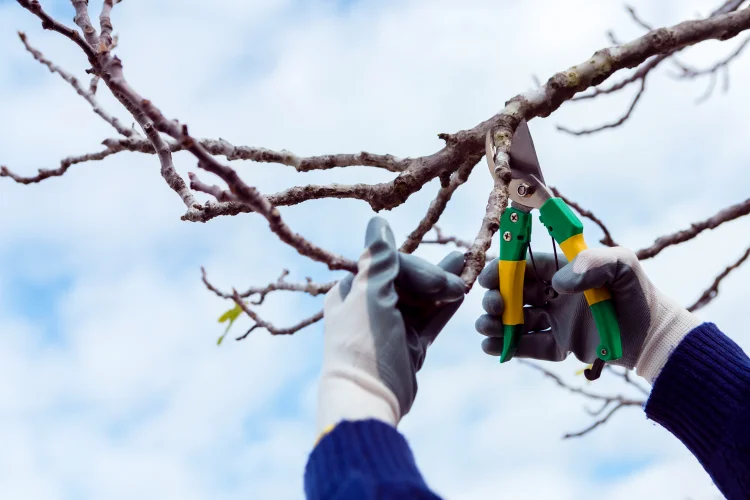
Pruning can seem a little daunting, with what appears to be a dazzling array of rules for various plant types requiring different pruning styles at alternative times of the year.
To help, we have started a season by season blog series just on pruning!
So here’s a few tips to bear in mind:
Hardy trees, shrubs and fruit bushes can be cut back during frost-free weather. This is a great way to maintain your trees at a manageable height and help keep disease at bay.
Firstly remove any dead, diseased or damaged wood. Pruning back to the branch collar to allow the tree or shrub to heal.
Secondly look to maintain an open crown removing inward growing branches. You may need to do this in sections to avoid tearing.
Fruit trees – apples and pears can be pruned back to maintain their size and accessibility to the fruit. This involves taking out some of the stronger upright growth, while maintaining the more outwards growing branches. This is also a great way to improve the size of your fruit.
Summer-flowering shrubs, such as buddleia, Hydrangea paniculata and lavatera can be cut back hard in late winter, just before they start into growth in the spring
This time of year is also your last chance to cut back woody plants prone to ‘bleeding’ sap if pruned too late – such as birches and walnuts.
The dead stems of herbaceous perennials can be cut back at the end of winter to tidy beds and make way for new spring shoots.
Ash Dieback
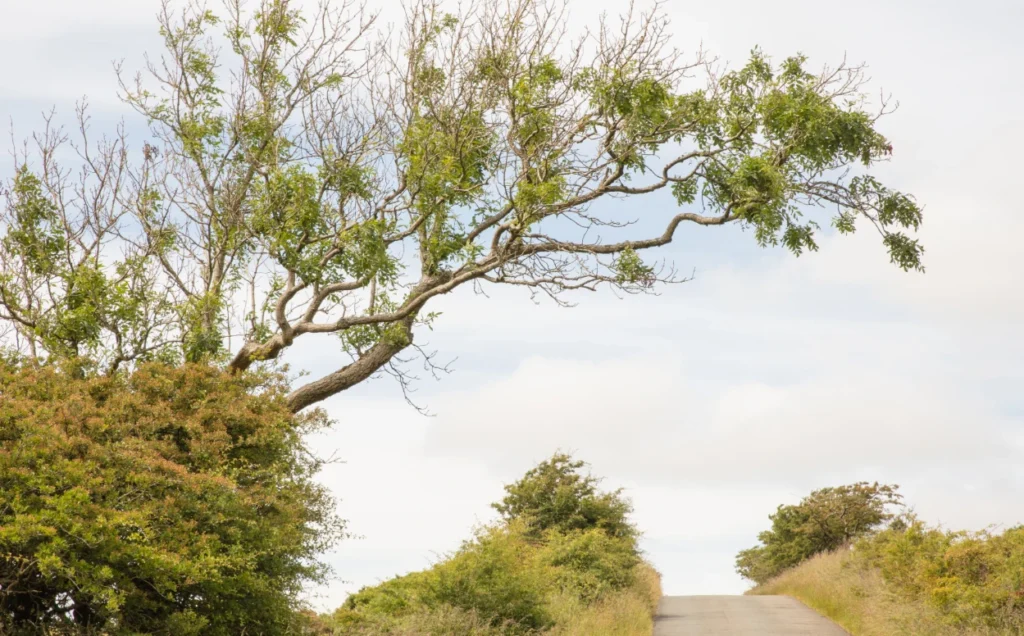
WHAT IS IT? Ash dieback is a serious fungal disease, detected in the UK back in 2012 it is now widespread. The fungus causes rapid or gradual crown dieback and can also attack the root collar of susceptible trees. A susceptible ash tree may take many or only a few years to eventually die depending […]