
How, When, and Why to Prune Lime Trees for Healthy Growth and Beautiful Shape
If you’re looking for a reliable guide on pruning Lime trees (Tilia), you’re in the right place. Lime trees—whether Small-leaved Lime (Tilia cordata), Common Lime (Tilia × europaea), or Large-leaved Lime (Tilia platyphyllos)—are treasured in UK gardens, parks, and streets for their graceful form, heart-shaped leaves, and pollinator-friendly flowers.
But to keep a Lime tree healthy, manageable, and looking its best, proper pruning is essential. This friendly guide covers everything you need to know about pruning Lime trees, including techniques, timing, aftercare, and common mistakes to avoid.
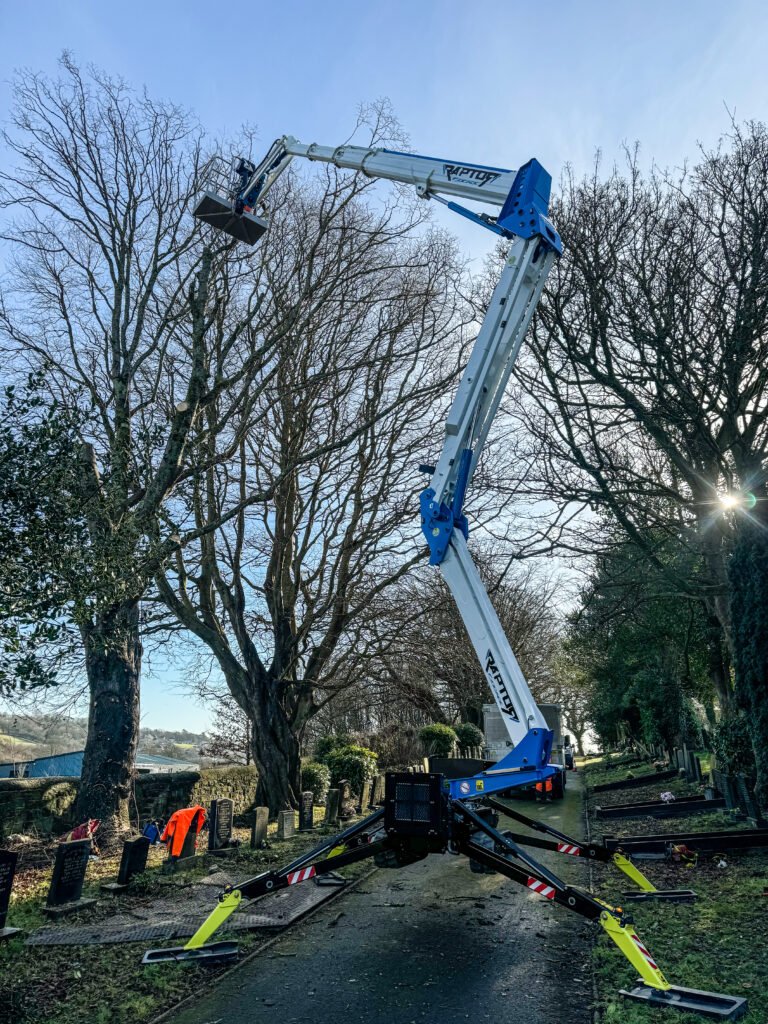
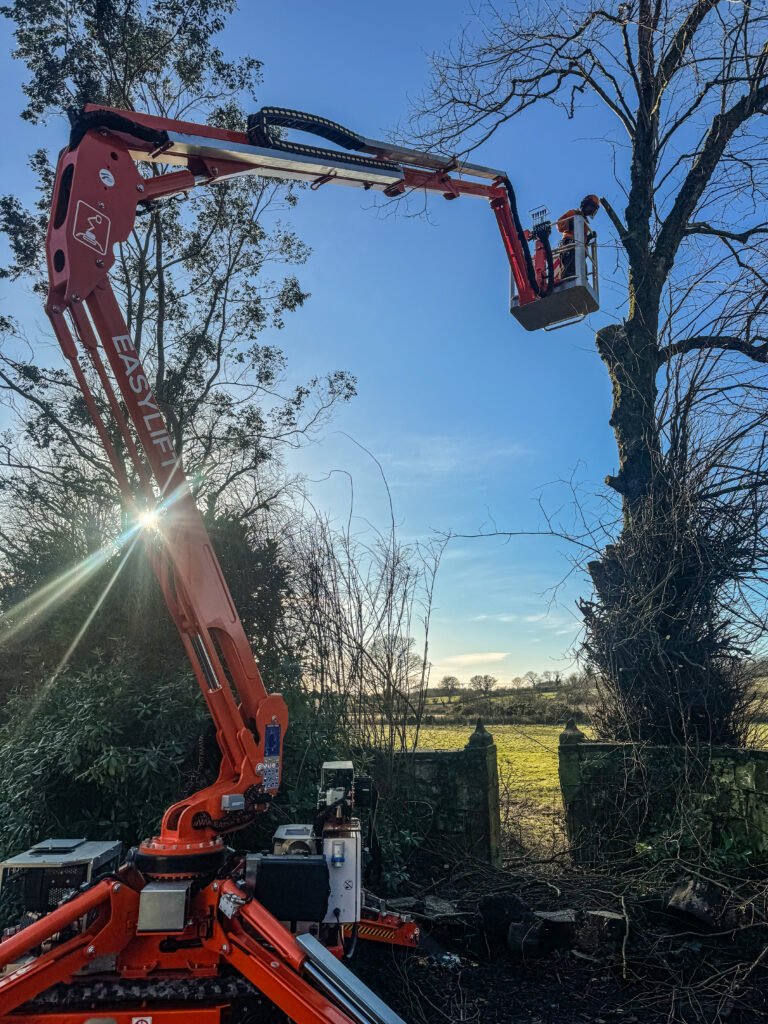
Why Prune Lime Trees?
Pruning Lime trees provides several important benefits:
- Encourages strong, balanced growth
- Prevents overcrowding and improves airflow
- Reduces the risk of disease
- Controls size in smaller gardens
- Improves shape and structure
- Removes dead, damaged, or crossing branches
Well-pruned Lime trees are healthier, more attractive, and less prone to storm damage—especially important in exposed UK locations.
When Is the Best Time to Prune Lime Trees in the UK?
The best time to prune Lime trees is during winter, typically November to February, when they are fully dormant.
Why winter pruning is ideal:
- The tree is not actively growing
- Wounds heal more cleanly
- Easier to see the structure without leaves
- Reduced risk of bleeding sap
Avoid pruning Lime trees:
- In spring — Lime trees can bleed sap heavily
- In summer — Pruning can stress the tree and attract pests
- In autumn — Encourages soft new growth that may not harden before frost
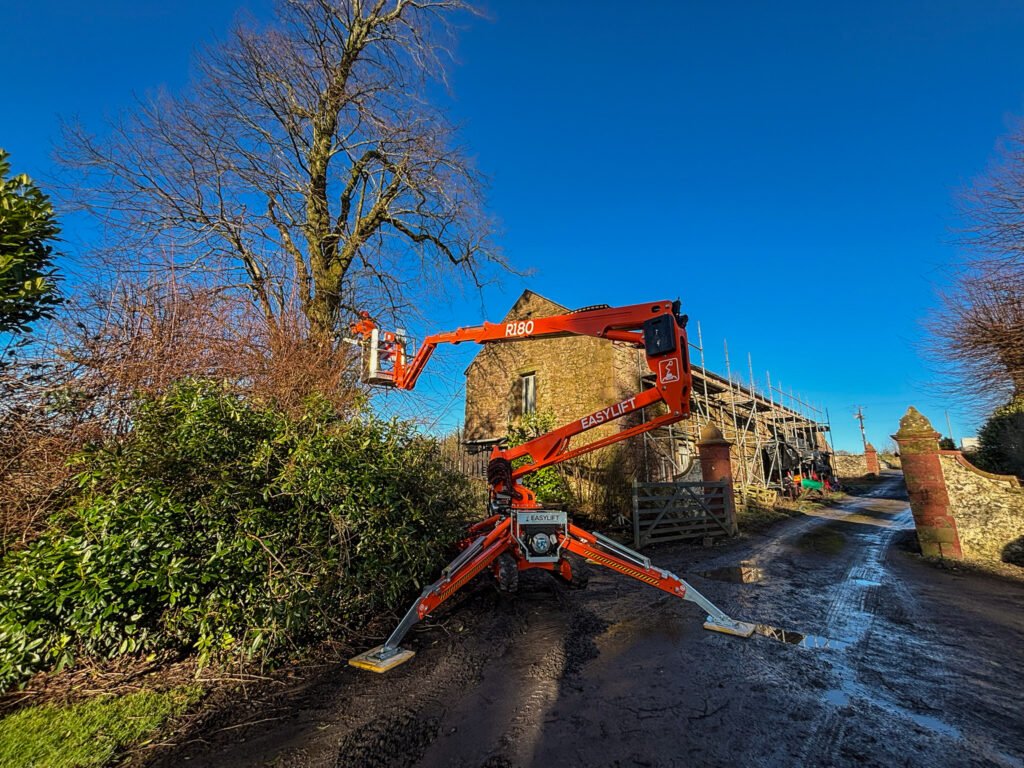
How to Prune Lime Trees: Step-by-Step
1. Remove Dead, Damaged, or Diseased Wood
Start by cutting out any problematic branches. This improves airflow and reduces the risk of infection.
Tip: Always cut back to healthy wood and disinfect tools between cuts when dealing with disease.
2. Thin Overcrowded Branches
Lime trees naturally produce many upright shoots, especially the Common Lime. Thinning helps:
- Reduce shade
- Improve branch spacing
- Encourage a strong framework
Avoid removing too many large limbs at once—this can stress the tree.
3. Maintain the Tree’s Shape
Lime trees look best with a natural, rounded crown.
Focus on:
- Removing crossing branches
- Maintaining a central leader (main stem)
- Preserving structural symmetry
If the tree becomes too tall or wide, reduce branches gradually over several seasons rather than all at once.
4. Control Epicormic Growth (Suckers)
Many Lime trees, especially Common Lime, produce vigorous epicormic shoots from the base and trunk.
Remove these regularly because they:
- Drain energy
- Spoil the tree’s shape
- Can turn into weak stems
Cut them cleanly at their point of origin.
5. Consider Pollarding for Size Control
If you want to keep Lime trees small, pollarding is a traditional and effective method. It involves cutting back the crown to a framework of branches every 1–3 years.
Benefits of pollarding Lime trees:
- Keeps size manageable
- Produces a dense, leafy canopy
- Reduces shading of nearby areas
Note: Only pollard young or previously pollarded Lime trees—starting on an old, unpollarded tree may cause stress or decay.
Pruning Different Types of Lime Trees (Tilia)
Tilia cordata (Small-leaved Lime)
- More compact and manageable
- Responds well to light thinning
- Ideal for shaping as an ornamental tree
Tilia × europaea (Common Lime)
- Produces many suckers—requires regular maintenance
- Benefits from framework pruning and periodic height control
- Suitable for pollarding
Tilia platyphyllos (Large-leaved Lime)
- Naturally broader crown
- Prune to maintain structure and reduce heavy limbs
- Less prone to suckering than Common Lime
Aftercare for Pruned Lime Trees
To keep your Lime tree healthy after pruning:
- Water during dry spells in spring and summer
- Mulch around the base to conserve moisture
- Avoid fertiliser unless the soil is very poor
- Monitor for pests such as aphids or leaf miners
- Re-check the crown for any missed crossing branches
Healthy aftercare helps the tree recover quickly and promotes vigorous, balanced growth.
Common Mistakes to Avoid When Pruning Lime Trees
- Pruning in spring (causes excessive sap bleeding)
- Removing too much at once, especially major limbs
- Leaving stubs, which can rot
- Using blunt tools
- Starting pollarding on an old tree
Avoiding these mistakes ensures a healthier, longer-lived Lime tree.
Conclusion: Pruning Lime Trees the Right Way
Pruning Lime trees doesn’t have to be complicated. With the right timing and techniques, you can maintain a beautiful, healthy tree that fits your garden and thrives for decades. Whether you’re managing a single ornamental Lime or caring for a row of Tilia along a boundary, good pruning makes all the difference.
Regular, thoughtful pruning keeps Lime trees:
- Attractive
- Healthy
- Safe
- Perfectly sized for the space
A well-maintained Lime tree is a long-term asset—one that will reward you with elegance, shade, and seasonal beauty year after year.